Youth Culture in Latin America: Subcultures and Identity
Category : Youth Culture in Latin America | Sub Category : Subcultures and Identity Posted on 2025-02-02 21:24:53
Youth Culture in Latin America: Subcultures and Identity
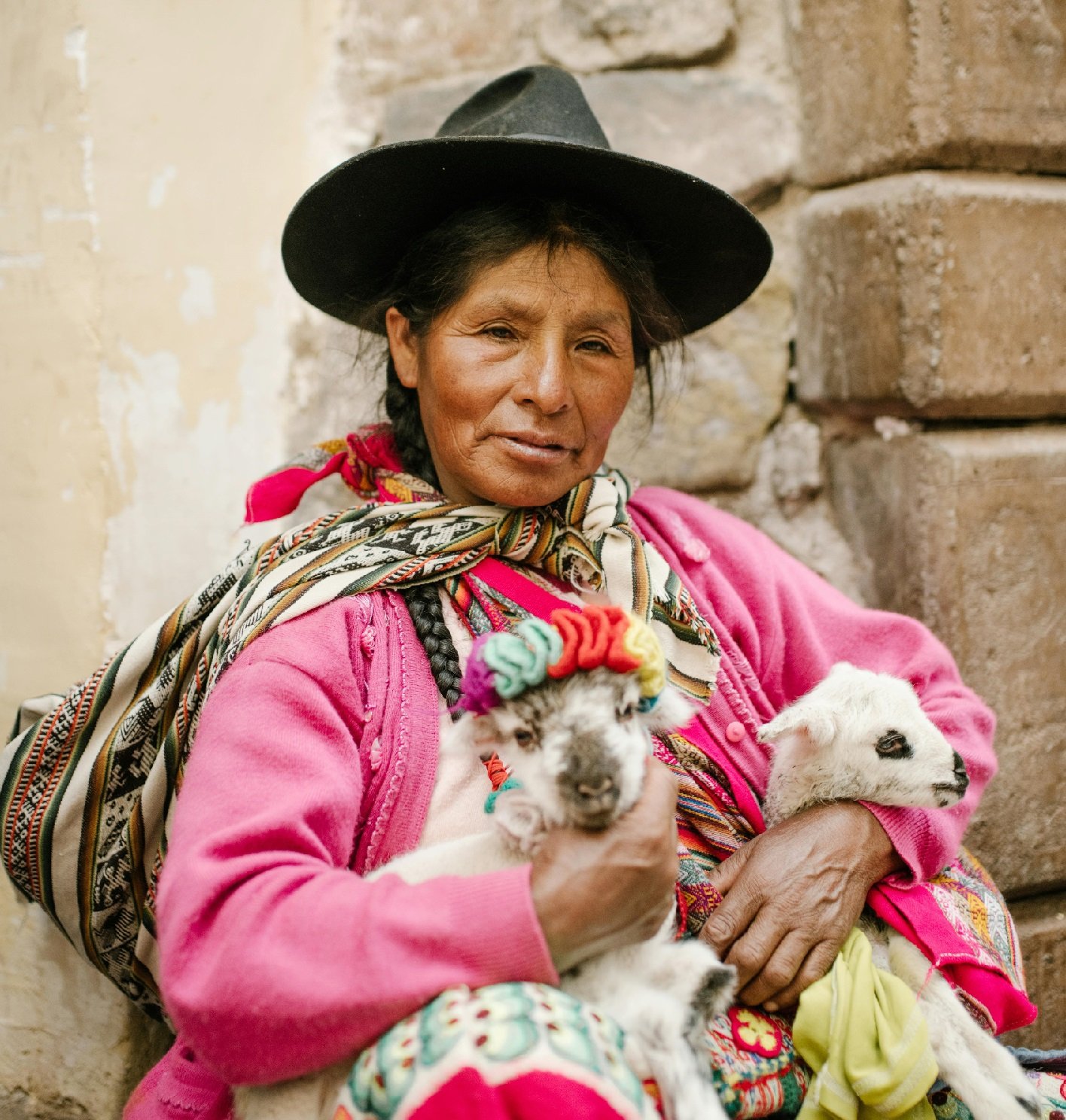
Latin America is a region rich in diverse cultures and traditions, and this diversity is also reflected in the youth culture of the region. The youth in Latin America are not a monolithic group; instead, they belong to various subcultures that shape their identity and define their social interactions. These subcultures can be based on factors such as music, fashion, beliefs, and interests, and they play a significant role in how young people in Latin America express themselves and form connections with others.
One prominent subculture among Latin American youth is the "reggaetoneros," who are fans of reggaeton music—a genre that originated in Puerto Rico but has gained widespread popularity throughout Latin America. Reggaetoneros are known for their distinctive style of dress, which often includes tight-fitting clothing, flashy jewelry, and colorful hair accessories. They also have a strong sense of community and pride in their cultural heritage, as reggaeton music often incorporates elements of Afro-Caribbean rhythms and Spanish lyrics.
Another subculture that has a significant presence in Latin American youth culture is the "emo" subculture. Emos are characterized by their emotional and introspective music, fashion choices (such as black clothing and dyed hair), and emphasis on self-expression and individuality. While the emo subculture has its roots in Western countries, it has found a following among young people in Latin America who resonate with its themes of alienation, vulnerability, and non-conformity.
In addition to music-based subcultures, Latin American youth also participate in subcultures based on shared interests and beliefs. For example, there are subcultures centered around sports fandom, video gaming, activism, and even specific social media platforms. These subcultures provide young people with a sense of belonging and community, allowing them to connect with others who share their passions and values.
Identity is a central theme in youth culture in Latin America, as young people navigate the complexities of their cultural heritage, social status, and personal experiences. Many young Latin Americans grapple with questions of national identity, indigenous heritage, and the legacy of colonization, shaping how they perceive themselves and their place in the world. This process of identity formation is influenced by a myriad of factors, including family dynamics, education, media representation, and interactions with peers.
Overall, youth culture in Latin America is a vibrant and dynamic landscape shaped by a diverse array of subcultures and identities. From reggaetoneros to emos to sports fans, young people in the region find ways to express themselves, connect with others, and assert their individuality. As they navigate the complexities of their cultural backgrounds and personal experiences, Latin American youth continue to shape and redefine what it means to be young in the twenty-first century.
Leave a Comment:
SEARCH
Recent News
- Zurich is a vibrant city located in Switzerland and is well-known for its picturesque landscapes, rich history, and bustling business scene. The Spanish community in Zurich has been thriving, with many top companies from Spain making their mark in the city. These companies have not only contributed to the economy of Zurich but have also added diversity and innovation to the local business environment.
- Exploring Zurich: A Taste of Latin America in Switzerland
- Zurich, Switzerland is a vibrant city known for its stunning architecture, picturesque landscapes, and diverse culinary scene. While Swiss cuisine certainly holds a special place in the hearts of many locals and visitors, the city also boasts a variety of international dining options, including Latin American food.
- Zurich, Switzerland is a vibrant city known for its picturesque surroundings, high quality of life, and thriving multicultural community. Among the various expatriate communities that call Zurich home, the Latin American community stands out for its rich culture, lively traditions, and strong sense of community bonding.
- Zurich, Switzerland is a charming city known for its stunning architecture, picturesque surroundings, and vibrant cultural scene. However, if you're in the mood for a change of scenery and looking to explore a completely different culture, why not consider adding Bolivia to your travel bucket list? This South American country is a hidden gem awaiting your discovery, with its rich history, diverse landscapes, and fascinating indigenous cultures.
- Zurich, Switzerland is a city known for its stunning architecture, pristine lake, and vibrant cultural scene. Home to a diverse population, Zurich also attracts residents and visitors from all over the world, including those from Bolivia who bring their rich cultural heritage with them.
- Zurich, Switzerland is renowned for its stunning landscapes, rich history, and vibrant culture. One aspect of Zurich that often goes underappreciated is its diverse culinary scene. While Swiss cuisine is delightful in its own right, the city also plays host to a unique array of international cuisines, including the flavors of Bolivia.
- Zurich, Switzerland is known for its picturesque landscape, rich history, and vibrant business scene. While the city attracts businesses from all over the world, Bolivian entrepreneurs have also made their mark in Zurich's thriving business environment.
READ MORE
11 months ago Category :

Zurich is a vibrant city located in Switzerland and is well-known for its picturesque landscapes, rich history, and bustling business scene. The Spanish community in Zurich has been thriving, with many top companies from Spain making their mark in the city. These companies have not only contributed to the economy of Zurich but have also added diversity and innovation to the local business environment.
Read More →11 months ago Category :

Exploring Zurich: A Taste of Latin America in Switzerland
Read More →11 months ago Category :

Zurich, Switzerland is a vibrant city known for its stunning architecture, picturesque landscapes, and diverse culinary scene. While Swiss cuisine certainly holds a special place in the hearts of many locals and visitors, the city also boasts a variety of international dining options, including Latin American food.
Read More →11 months ago Category :
