Sustainable agriculture plays a crucial role in promoting sustainable development in Latin America, particularly in countries like Mexico. Mexico has a rich agricultural heritage, with a diverse range of crops and a long history of farming practices. However, modern agricultural methods have often led to environmental degradation and negative social impacts. In recent years, there has been a growing recognition of the need to shift towards more sustainable agricultural practices in Mexico to ensure the long-term health of the environment and the well-being of farming communities.
Category : Sustainable Development in Latin America | Sub Category : Sustainable Agriculture in Mexico Posted on 2025-02-02 21:24:53
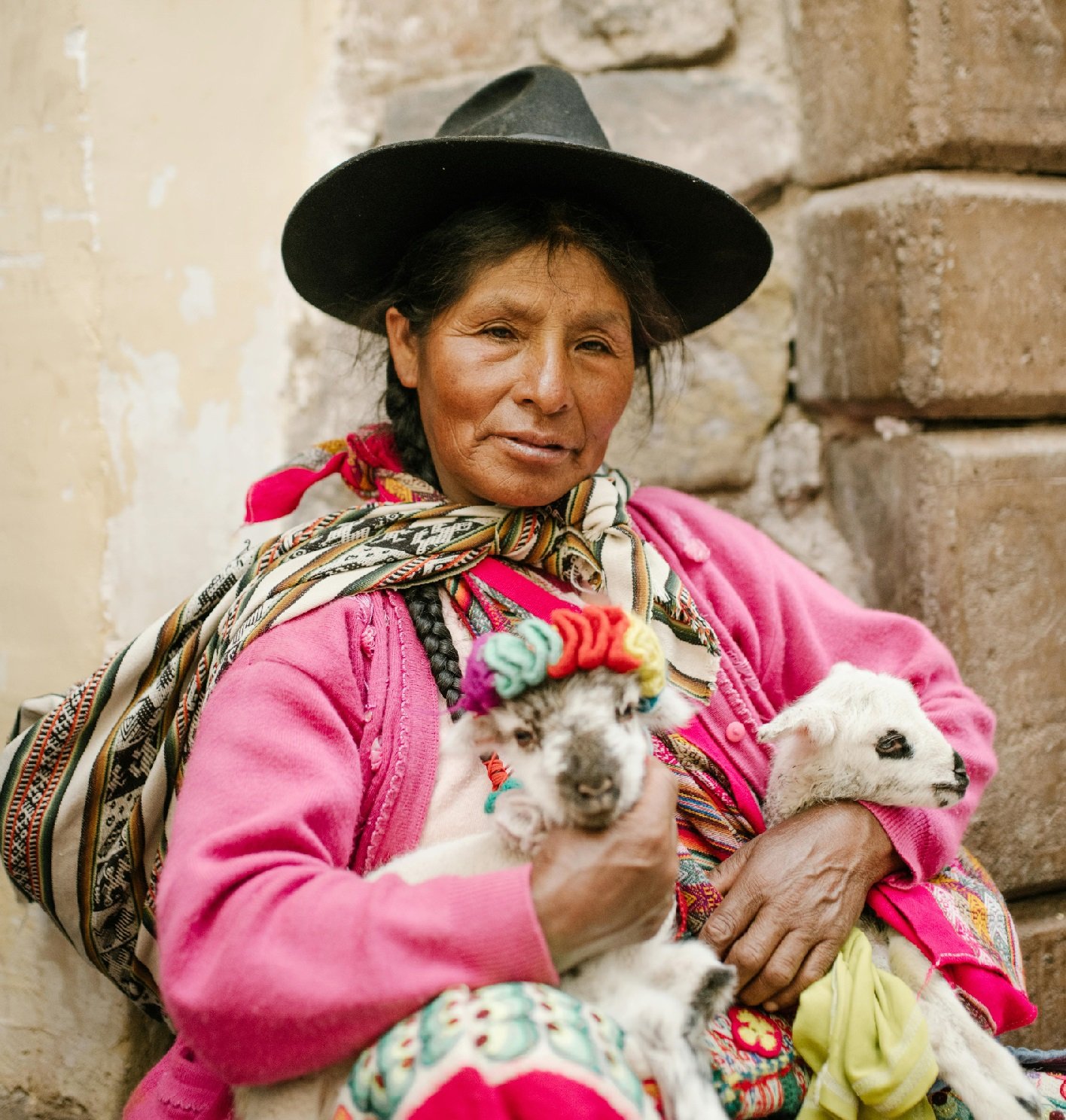
Sustainable agriculture plays a crucial role in promoting sustainable development in Latin America, particularly in countries like Mexico. Mexico has a rich agricultural heritage, with a diverse range of crops and a long history of farming practices. However, modern agricultural methods have often led to environmental degradation and negative social impacts. In recent years, there has been a growing recognition of the need to shift towards more sustainable agricultural practices in Mexico to ensure the long-term health of the environment and the well-being of farming communities.
One of the key principles of sustainable agriculture is to minimize the use of harmful chemicals and pesticides that can contaminate soil and water sources. In Mexico, there has been a move towards organic farming practices, which rely on natural methods of pest control and soil fertility. By avoiding the use of synthetic chemicals, organic farmers help to protect the health of the ecosystem and the consumers who rely on their produce.
Another important aspect of sustainable agriculture in Mexico is the promotion of biodiversity on farmland. Traditional monoculture farming practices have often led to a loss of biodiversity, as farmers focus on growing only one or two high-yield crops. In contrast, sustainable agriculture encourages farmers to grow a variety of crops and to incorporate agroforestry practices, such as planting trees alongside crops. This not only helps to support a wider range of plant and animal species but also improves soil fertility and resilience to pests and diseases.
Water management is another key issue in sustainable agriculture in Mexico, where water scarcity is a growing concern. Farmers are increasingly adopting water-saving irrigation techniques, such as drip irrigation and rainwater harvesting, to reduce their water consumption and protect this vital resource for future generations. By using water more efficiently, farmers can ensure the continued productivity of their land without depleting local water sources.
Supporting small-scale farmers and indigenous communities is also essential for promoting sustainable agriculture in Mexico. These farmers often have valuable traditional knowledge and practices that can contribute to sustainable farming systems. By providing training, technical support, and access to markets, organizations and government agencies can help small-scale farmers adopt sustainable practices and improve their livelihoods.
Overall, sustainable agriculture in Mexico is crucial for promoting sustainable development in the region. By adopting practices that protect the environment, support biodiversity, conserve water, and empower local communities, Mexican farmers can ensure a more resilient and sustainable food system for future generations. Through these efforts, Mexico can lead the way in promoting sustainable agriculture in Latin America and beyond.
Leave a Comment:
SEARCH
Recent News
- Zurich is a vibrant city located in Switzerland and is well-known for its picturesque landscapes, rich history, and bustling business scene. The Spanish community in Zurich has been thriving, with many top companies from Spain making their mark in the city. These companies have not only contributed to the economy of Zurich but have also added diversity and innovation to the local business environment.
- Exploring Zurich: A Taste of Latin America in Switzerland
- Zurich, Switzerland is a vibrant city known for its stunning architecture, picturesque landscapes, and diverse culinary scene. While Swiss cuisine certainly holds a special place in the hearts of many locals and visitors, the city also boasts a variety of international dining options, including Latin American food.
- Zurich, Switzerland is a vibrant city known for its picturesque surroundings, high quality of life, and thriving multicultural community. Among the various expatriate communities that call Zurich home, the Latin American community stands out for its rich culture, lively traditions, and strong sense of community bonding.
- Zurich, Switzerland is a charming city known for its stunning architecture, picturesque surroundings, and vibrant cultural scene. However, if you're in the mood for a change of scenery and looking to explore a completely different culture, why not consider adding Bolivia to your travel bucket list? This South American country is a hidden gem awaiting your discovery, with its rich history, diverse landscapes, and fascinating indigenous cultures.
- Zurich, Switzerland is a city known for its stunning architecture, pristine lake, and vibrant cultural scene. Home to a diverse population, Zurich also attracts residents and visitors from all over the world, including those from Bolivia who bring their rich cultural heritage with them.
- Zurich, Switzerland is renowned for its stunning landscapes, rich history, and vibrant culture. One aspect of Zurich that often goes underappreciated is its diverse culinary scene. While Swiss cuisine is delightful in its own right, the city also plays host to a unique array of international cuisines, including the flavors of Bolivia.
- Zurich, Switzerland is known for its picturesque landscape, rich history, and vibrant business scene. While the city attracts businesses from all over the world, Bolivian entrepreneurs have also made their mark in Zurich's thriving business environment.
READ MORE
11 months ago Category :

Zurich is a vibrant city located in Switzerland and is well-known for its picturesque landscapes, rich history, and bustling business scene. The Spanish community in Zurich has been thriving, with many top companies from Spain making their mark in the city. These companies have not only contributed to the economy of Zurich but have also added diversity and innovation to the local business environment.
Read More →11 months ago Category :

Exploring Zurich: A Taste of Latin America in Switzerland
Read More →11 months ago Category :

Zurich, Switzerland is a vibrant city known for its stunning architecture, picturesque landscapes, and diverse culinary scene. While Swiss cuisine certainly holds a special place in the hearts of many locals and visitors, the city also boasts a variety of international dining options, including Latin American food.
Read More →11 months ago Category :
