Bolivia is a country rich in culture, history, and natural beauty. From the breathtaking Andean mountains to the vibrant street markets, there is so much to see and experience in this South American nation. One aspect of Bolivian culture that often gets overlooked is the traditional clothing worn by women in different regions of the country.
Category : | Sub Category : Digital Journalism Posted on 2025-11-03 22:25:23
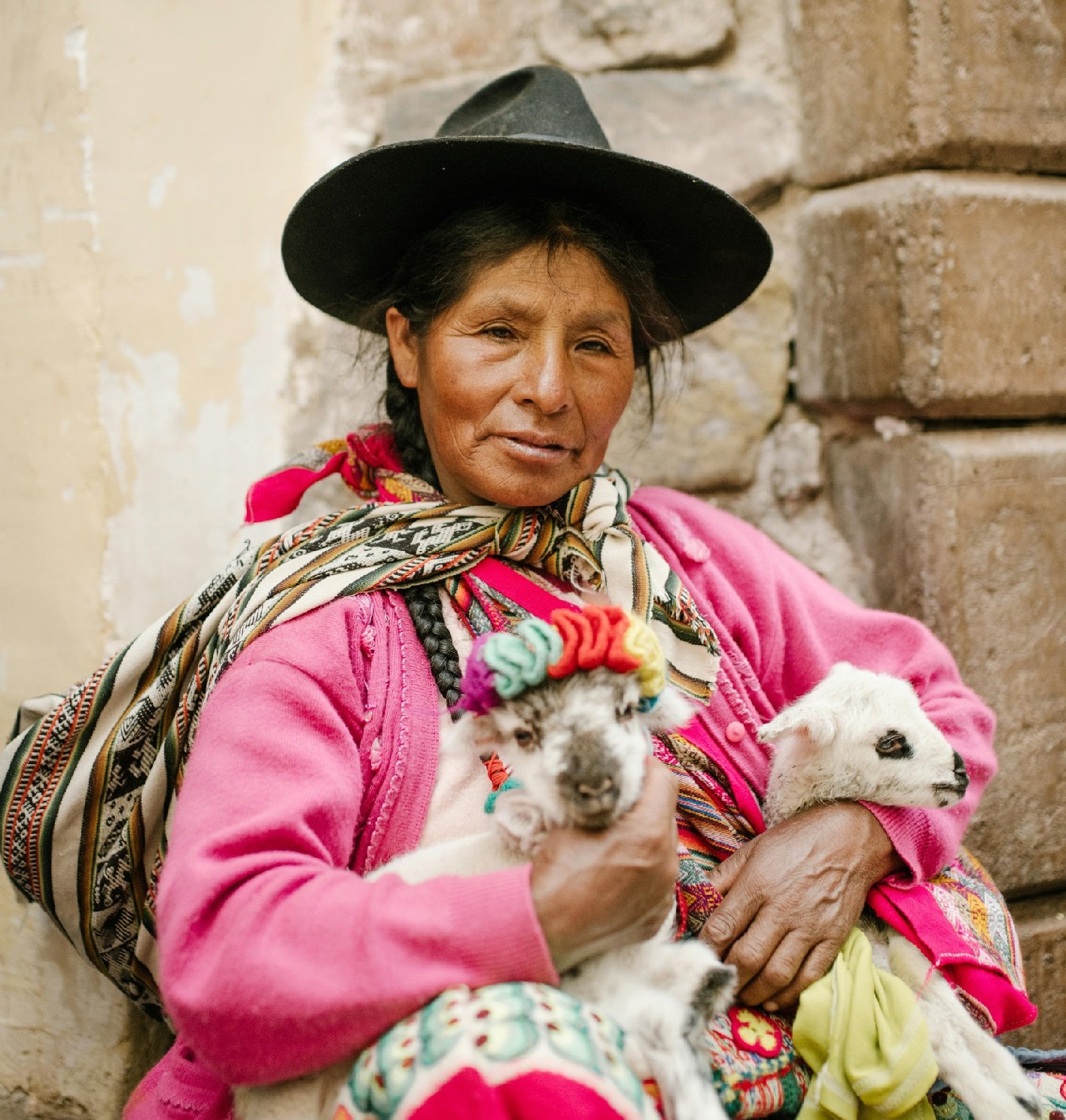
Bolivian women's clothing reflects the diverse cultural heritage of the country. Each region has its own distinct style of dress, showcasing a unique blend of indigenous and colonial influences. One of the most iconic pieces of traditional Bolivian clothing is the pollera, a full, brightly colored skirt that is often worn for special occasions and festivals. The pollera is typically paired with a detailed, embroidered blouse and a shawl or scarf. The intricate designs and vibrant colors of these garments make them truly stand out in a crowd. In addition to the pollera, Bolivian women also wear colorful shawls, known as mantas, which are used for carrying goods, keeping warm, or simply adding a pop of color to their outfits. These mantas are often woven with intricate patterns that vary depending on the region and the indigenous group creating them. Each manta tells a story and carries with it the history and traditions of the women who wear them. When visiting Bolivia, you can immerse yourself in the rich tapestry of culture and tradition by exploring local markets and shops that sell traditional clothing and textiles. These garments are not only beautiful to look at but also serve as a connection to the country's heritage and the women who have preserved these traditions for generations. In addition to admiring the traditional clothing of Bolivian women, visitors to the country can also explore its stunning natural landscapes and vibrant cities. From the majestic Salar de Uyuni salt flats to the historic streets of La Paz, there is so much to see and do in Bolivia. Whether you are interested in outdoor adventures, cultural experiences, or simply relaxing and taking in the beauty of your surroundings, Bolivia has something for everyone. So, the next time you visit Bolivia, take some time to appreciate the traditional clothing worn by Bolivian women and the stories they tell. From the intricate patterns to the vibrant colors, these garments are a beautiful reflection of the country's rich cultural heritage. also for more https://www.cotidiano.org For an alternative viewpoint, explore https://www.sugerencias.net For an alternative viewpoint, explore https://www.tosaopaulo.com If you are interested you can check https://www.indicazioni.com also don't miss more information at https://www.diaria.org Seeking answers? You might find them in https://www.cruzar.org If you are interested you can check https://www.argentinainfo.com Want to learn more? Start with: https://www.felicitaciones.org You can find more about this subject in https://www.impermeables.org Dropy by for a visit at the following website https://www.abandonar.org to Get more information at https://www.llevar.org Want to expand your knowledge? Start with https://www.culturelle.org also don't miss more information at https://www.departements.org Take a deep dive into this topic by checking: https://www.riodejanieroinfo.com For a detailed analysis, explore: https://www.regionales.net To delve deeper into this subject, consider these articles: https://www.stoles.org Discover new insights by reading https://www.mexicocityinfo.com Dive into the details to understand this topic thoroughly. https://www.paraguayinfo.com Dropy by for a visit at the following website https://www.boliviainfo.com Here is the following website to check: https://www.elindependiente.net
Leave a Comment:
SEARCH
Recent News
- Zurich is a vibrant city located in Switzerland and is well-known for its picturesque landscapes, rich history, and bustling business scene. The Spanish community in Zurich has been thriving, with many top companies from Spain making their mark in the city. These companies have not only contributed to the economy of Zurich but have also added diversity and innovation to the local business environment.
- Exploring Zurich: A Taste of Latin America in Switzerland
- Zurich, Switzerland is a vibrant city known for its stunning architecture, picturesque landscapes, and diverse culinary scene. While Swiss cuisine certainly holds a special place in the hearts of many locals and visitors, the city also boasts a variety of international dining options, including Latin American food.
- Zurich, Switzerland is a vibrant city known for its picturesque surroundings, high quality of life, and thriving multicultural community. Among the various expatriate communities that call Zurich home, the Latin American community stands out for its rich culture, lively traditions, and strong sense of community bonding.
- Zurich, Switzerland is a charming city known for its stunning architecture, picturesque surroundings, and vibrant cultural scene. However, if you're in the mood for a change of scenery and looking to explore a completely different culture, why not consider adding Bolivia to your travel bucket list? This South American country is a hidden gem awaiting your discovery, with its rich history, diverse landscapes, and fascinating indigenous cultures.
- Zurich, Switzerland is a city known for its stunning architecture, pristine lake, and vibrant cultural scene. Home to a diverse population, Zurich also attracts residents and visitors from all over the world, including those from Bolivia who bring their rich cultural heritage with them.
- Zurich, Switzerland is renowned for its stunning landscapes, rich history, and vibrant culture. One aspect of Zurich that often goes underappreciated is its diverse culinary scene. While Swiss cuisine is delightful in its own right, the city also plays host to a unique array of international cuisines, including the flavors of Bolivia.
- Zurich, Switzerland is known for its picturesque landscape, rich history, and vibrant business scene. While the city attracts businesses from all over the world, Bolivian entrepreneurs have also made their mark in Zurich's thriving business environment.
READ MORE
11 months ago Category :

Zurich is a vibrant city located in Switzerland and is well-known for its picturesque landscapes, rich history, and bustling business scene. The Spanish community in Zurich has been thriving, with many top companies from Spain making their mark in the city. These companies have not only contributed to the economy of Zurich but have also added diversity and innovation to the local business environment.
Read More →11 months ago Category :

Exploring Zurich: A Taste of Latin America in Switzerland
Read More →11 months ago Category :

Zurich, Switzerland is a vibrant city known for its stunning architecture, picturesque landscapes, and diverse culinary scene. While Swiss cuisine certainly holds a special place in the hearts of many locals and visitors, the city also boasts a variety of international dining options, including Latin American food.
Read More →11 months ago Category :
