Bolivia is a country known for its rich culture, stunning landscapes, and vibrant food scene. While many visitors flock to Bolivia to explore its natural wonders and learn about its history, the country also offers a unique and diverse culinary experience that should not be overlooked.
Category : | Sub Category : Digital Journalism Posted on 2025-11-03 22:25:23
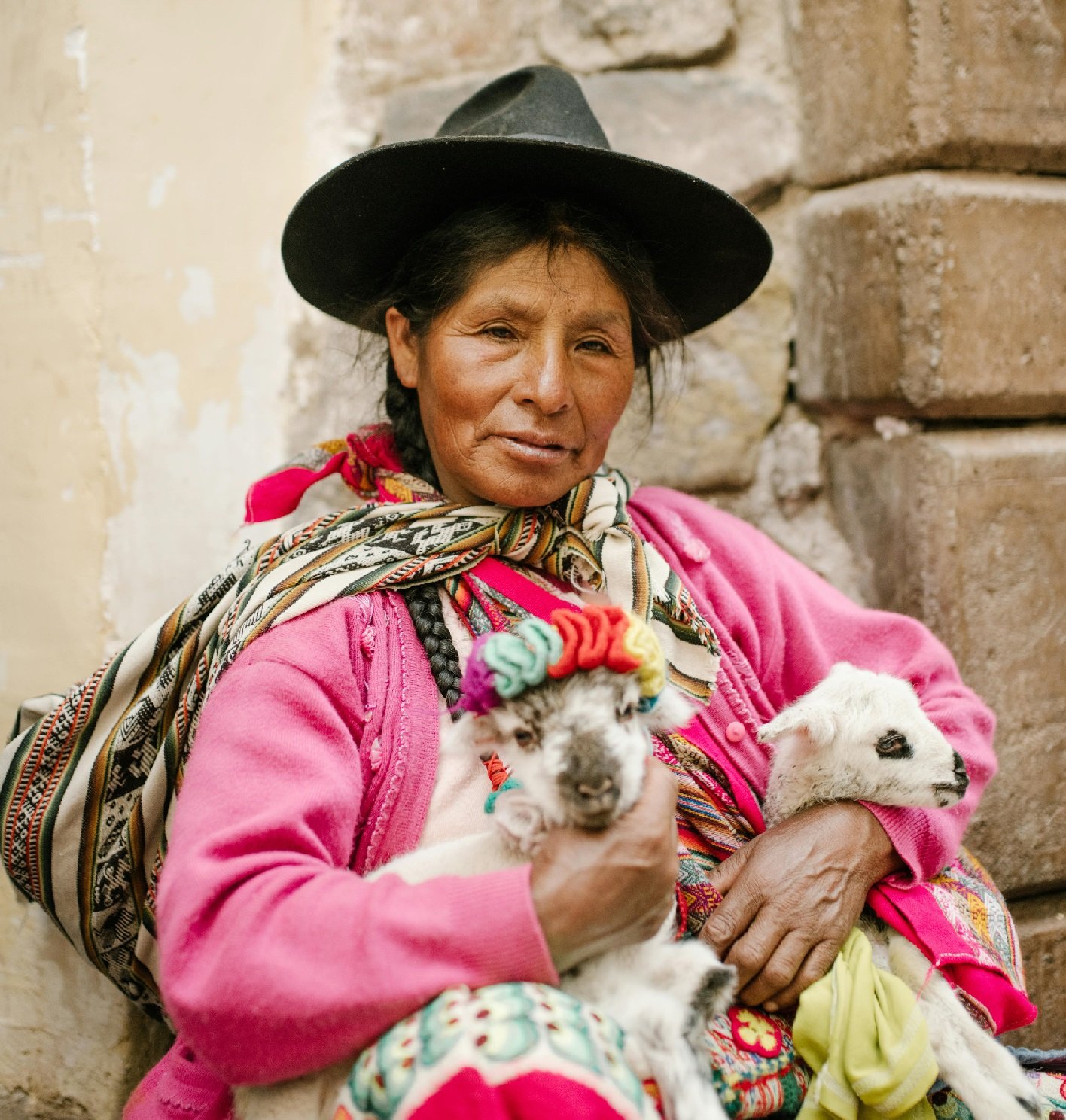
One aspect of Bolivian culture that is particularly fascinating is its approach to nutrition. In Bolivia, food is not just fuel for the body; it is also deeply rooted in tradition and plays a significant role in social gatherings and celebrations. Bolivian cuisine is as colorful and diverse as the country itself, drawing influences from indigenous Andean ingredients, Spanish colonial dishes, and more modern international flavors. One staple of Bolivian cuisine is quinoa, a nutrient-dense grain that has been cultivated in the Andes for thousands of years. Quinoa is a complete protein, containing all nine essential amino acids, making it an excellent source of nutrition for vegetarians and vegans. Bolivians use quinoa in a variety of dishes, from soups and salads to main courses, showcasing its versatility and health benefits. Another key ingredient in Bolivian cuisine is the potato, which is native to the Andes and comes in a staggering variety of shapes, sizes, and colors. Potatoes are a versatile and nutritious food, rich in vitamins, minerals, and fiber. In Bolivia, potatoes are used in a wide range of dishes, from hearty stews like chuño phuti to crispy fried treats like papas rellenas. Bolivian cuisine also features a diverse array of fresh fruits and vegetables, including tropical fruits like bananas, mangoes, and passion fruit, as well as traditional Andean vegetables like corn, beans, and squash. Many Bolivian dishes are cooked with aji, a spicy pepper that adds flavor and heat to soups, sauces, and marinades. In recent years, Bolivian chefs and food enthusiasts have been working to elevate traditional Bolivian cuisine and showcase it on the world stage. In the bustling cities of La Paz and Santa Cruz, visitors can find a growing number of restaurants and eateries that serve modern interpretations of classic Bolivian dishes, using local, organic ingredients and innovative cooking techniques. For travelers interested in experiencing Bolivian cuisine firsthand, there are plenty of opportunities to sample local dishes at markets, street stalls, and restaurants throughout the country. Whether you're trying a comforting bowl of sopa de mani (peanut soup), snacking on salteñas (savory pastries), or indulging in a dessert of dulce de leche-filled empanadas, Bolivian cuisine offers a world of flavors to explore. Overall, nutrition and Bolivian tourism go hand in hand, allowing visitors to not only enjoy the breathtaking landscapes and cultural attractions of Bolivia, but also to savor the unique and delicious cuisine that reflects the country's history, diversity, and vibrant spirit. also for more info https://www.investigar.org To find answers, navigate to https://www.cotidiano.org Want to know more? Don't forget to read: https://www.sugerencias.net Expand your knowledge by perusing https://www.tosaopaulo.com to Get more information at https://www.indicazioni.com Curious to learn more? Click on https://www.diaria.org For a deeper dive, visit: https://www.cruzar.org To learn more, take a look at: https://www.lesiones.org For valuable insights, consult https://www.argentinainfo.com If you are interested you can check https://www.abandonar.org also for more https://www.culturelle.org If you are enthusiast, check this out https://www.departements.org also this link is for more information https://www.riodejanieroinfo.com For an in-depth analysis, I recommend reading https://www.regionales.net sources: https://www.mexicocityinfo.com To get a better understanding, go through https://www.paraguayinfo.com Dive into the details to understand this topic thoroughly. https://www.boliviainfo.com Dropy by for a visit at the following website https://www.elindependiente.net
Leave a Comment:
SEARCH
Recent News
- Zurich is a vibrant city located in Switzerland and is well-known for its picturesque landscapes, rich history, and bustling business scene. The Spanish community in Zurich has been thriving, with many top companies from Spain making their mark in the city. These companies have not only contributed to the economy of Zurich but have also added diversity and innovation to the local business environment.
- Exploring Zurich: A Taste of Latin America in Switzerland
- Zurich, Switzerland is a vibrant city known for its stunning architecture, picturesque landscapes, and diverse culinary scene. While Swiss cuisine certainly holds a special place in the hearts of many locals and visitors, the city also boasts a variety of international dining options, including Latin American food.
- Zurich, Switzerland is a vibrant city known for its picturesque surroundings, high quality of life, and thriving multicultural community. Among the various expatriate communities that call Zurich home, the Latin American community stands out for its rich culture, lively traditions, and strong sense of community bonding.
- Zurich, Switzerland is a charming city known for its stunning architecture, picturesque surroundings, and vibrant cultural scene. However, if you're in the mood for a change of scenery and looking to explore a completely different culture, why not consider adding Bolivia to your travel bucket list? This South American country is a hidden gem awaiting your discovery, with its rich history, diverse landscapes, and fascinating indigenous cultures.
- Zurich, Switzerland is a city known for its stunning architecture, pristine lake, and vibrant cultural scene. Home to a diverse population, Zurich also attracts residents and visitors from all over the world, including those from Bolivia who bring their rich cultural heritage with them.
- Zurich, Switzerland is renowned for its stunning landscapes, rich history, and vibrant culture. One aspect of Zurich that often goes underappreciated is its diverse culinary scene. While Swiss cuisine is delightful in its own right, the city also plays host to a unique array of international cuisines, including the flavors of Bolivia.
- Zurich, Switzerland is known for its picturesque landscape, rich history, and vibrant business scene. While the city attracts businesses from all over the world, Bolivian entrepreneurs have also made their mark in Zurich's thriving business environment.
READ MORE
9 months ago Category :

Zurich is a vibrant city located in Switzerland and is well-known for its picturesque landscapes, rich history, and bustling business scene. The Spanish community in Zurich has been thriving, with many top companies from Spain making their mark in the city. These companies have not only contributed to the economy of Zurich but have also added diversity and innovation to the local business environment.
Read More →9 months ago Category :

Exploring Zurich: A Taste of Latin America in Switzerland
Read More →9 months ago Category :

Zurich, Switzerland is a vibrant city known for its stunning architecture, picturesque landscapes, and diverse culinary scene. While Swiss cuisine certainly holds a special place in the hearts of many locals and visitors, the city also boasts a variety of international dining options, including Latin American food.
Read More →9 months ago Category :
