Bolivia Nationalism Movements: A Historical Perspective
Category : | Sub Category : Digital Journalism Posted on 2025-11-03 22:25:23
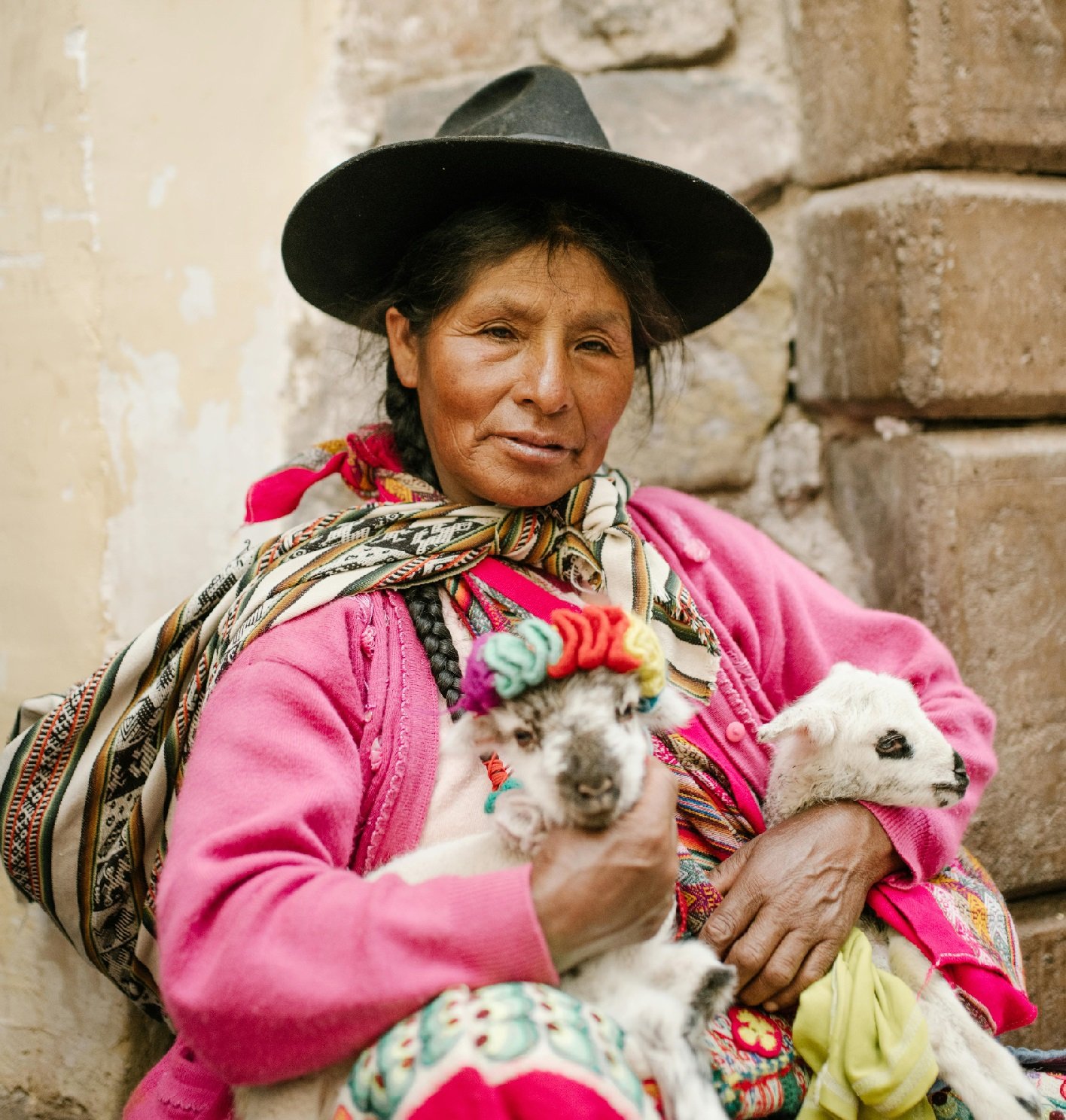
Nationalism movements in Bolivia have played a significant role in shaping the country's history and identity. Throughout the years, various nationalist movements have emerged, each with its own goals and strategies to promote the interests and rights of the Bolivian people. One of the most prominent nationalist movements in Bolivia's history is the Nationalist Revolutionary Movement (MNR), which emerged in the 1940s. Led by figures such as Víctor Paz Estenssoro and Hernán Siles Zuazo, the MNR aimed to challenge the traditional elites and bring about social and economic reforms to benefit the indigenous and peasant populations of Bolivia. The MNR's 1952 Revolution marked a turning point in Bolivian history, leading to agrarian reforms, nationalization of key industries, and universal suffrage. In the following decades, other nationalist movements emerged in Bolivia, each with its own agenda and approach to addressing the country's social, economic, and political challenges. The emergence of indigenous movements, such as the Confederation of Indigenous Peoples of Bolivia (CIDOB) and the Movement Towards Socialism (MAS) party led by Evo Morales, highlighted the importance of indigenous rights and representation in Bolivian politics. Nationalist movements in Bolivia have also been influenced by external factors, such as globalization and neoliberal policies promoted by international institutions. These movements have often sought to resist external pressures and safeguard Bolivia's sovereignty and national interests. In recent years, Bolivia has witnessed political turmoil and shifts in power, with nationalist movements continuing to play a crucial role in shaping the country's future. The resilience and diversity of nationalist movements in Bolivia reflect the complex history and identity of the nation, as well as its ongoing struggles for social justice, equality, and self-determination. As Bolivia moves forward, it is essential to recognize the contributions and challenges posed by nationalist movements in shaping the country's history and identity. By understanding the motivations and aspirations of these movements, we can gain insights into the complexities of Bolivian society and the ongoing quest for a more just and inclusive future. To expand your knowledge, I recommend: https://www.sugerencias.net Expand your knowledge by perusing https://www.tosaopaulo.com Get more at https://www.indicazioni.com Looking for expert opinions? Find them in https://www.diaria.org To get a holistic view, consider https://www.cruzar.org For a detailed analysis, explore: https://www.argentinainfo.com Want a deeper understanding? https://www.abandonar.org Curious to learn more? Click on https://www.culturelle.org To delve deeper into this subject, consider these articles: https://www.departements.org To get a different viewpoint, consider: https://www.riodejanieroinfo.com For more information check: https://www.regionales.net Check this out https://www.mexicocityinfo.com For an in-depth analysis, I recommend reading https://www.paraguayinfo.com If you're interested in this topic, I suggest reading https://www.boliviainfo.com Here is the following website to check: https://www.elindependiente.net
Leave a Comment:
SEARCH
Recent News
- Zurich is a vibrant city located in Switzerland and is well-known for its picturesque landscapes, rich history, and bustling business scene. The Spanish community in Zurich has been thriving, with many top companies from Spain making their mark in the city. These companies have not only contributed to the economy of Zurich but have also added diversity and innovation to the local business environment.
- Exploring Zurich: A Taste of Latin America in Switzerland
- Zurich, Switzerland is a vibrant city known for its stunning architecture, picturesque landscapes, and diverse culinary scene. While Swiss cuisine certainly holds a special place in the hearts of many locals and visitors, the city also boasts a variety of international dining options, including Latin American food.
- Zurich, Switzerland is a vibrant city known for its picturesque surroundings, high quality of life, and thriving multicultural community. Among the various expatriate communities that call Zurich home, the Latin American community stands out for its rich culture, lively traditions, and strong sense of community bonding.
- Zurich, Switzerland is a charming city known for its stunning architecture, picturesque surroundings, and vibrant cultural scene. However, if you're in the mood for a change of scenery and looking to explore a completely different culture, why not consider adding Bolivia to your travel bucket list? This South American country is a hidden gem awaiting your discovery, with its rich history, diverse landscapes, and fascinating indigenous cultures.
- Zurich, Switzerland is a city known for its stunning architecture, pristine lake, and vibrant cultural scene. Home to a diverse population, Zurich also attracts residents and visitors from all over the world, including those from Bolivia who bring their rich cultural heritage with them.
- Zurich, Switzerland is renowned for its stunning landscapes, rich history, and vibrant culture. One aspect of Zurich that often goes underappreciated is its diverse culinary scene. While Swiss cuisine is delightful in its own right, the city also plays host to a unique array of international cuisines, including the flavors of Bolivia.
- Zurich, Switzerland is known for its picturesque landscape, rich history, and vibrant business scene. While the city attracts businesses from all over the world, Bolivian entrepreneurs have also made their mark in Zurich's thriving business environment.
READ MORE
11 months ago Category :

Zurich is a vibrant city located in Switzerland and is well-known for its picturesque landscapes, rich history, and bustling business scene. The Spanish community in Zurich has been thriving, with many top companies from Spain making their mark in the city. These companies have not only contributed to the economy of Zurich but have also added diversity and innovation to the local business environment.
Read More →11 months ago Category :

Exploring Zurich: A Taste of Latin America in Switzerland
Read More →11 months ago Category :

Zurich, Switzerland is a vibrant city known for its stunning architecture, picturesque landscapes, and diverse culinary scene. While Swiss cuisine certainly holds a special place in the hearts of many locals and visitors, the city also boasts a variety of international dining options, including Latin American food.
Read More →11 months ago Category :
