Bolivia and Iraq are two countries rich in natural resources, particularly in oil, gas, and minerals. These resources play a significant role in shaping their economies and influencing their political landscapes. Let's take a closer look at how each country utilizes and manages its natural resources.
Category : | Sub Category : Digital Journalism Posted on 2025-11-03 22:25:23
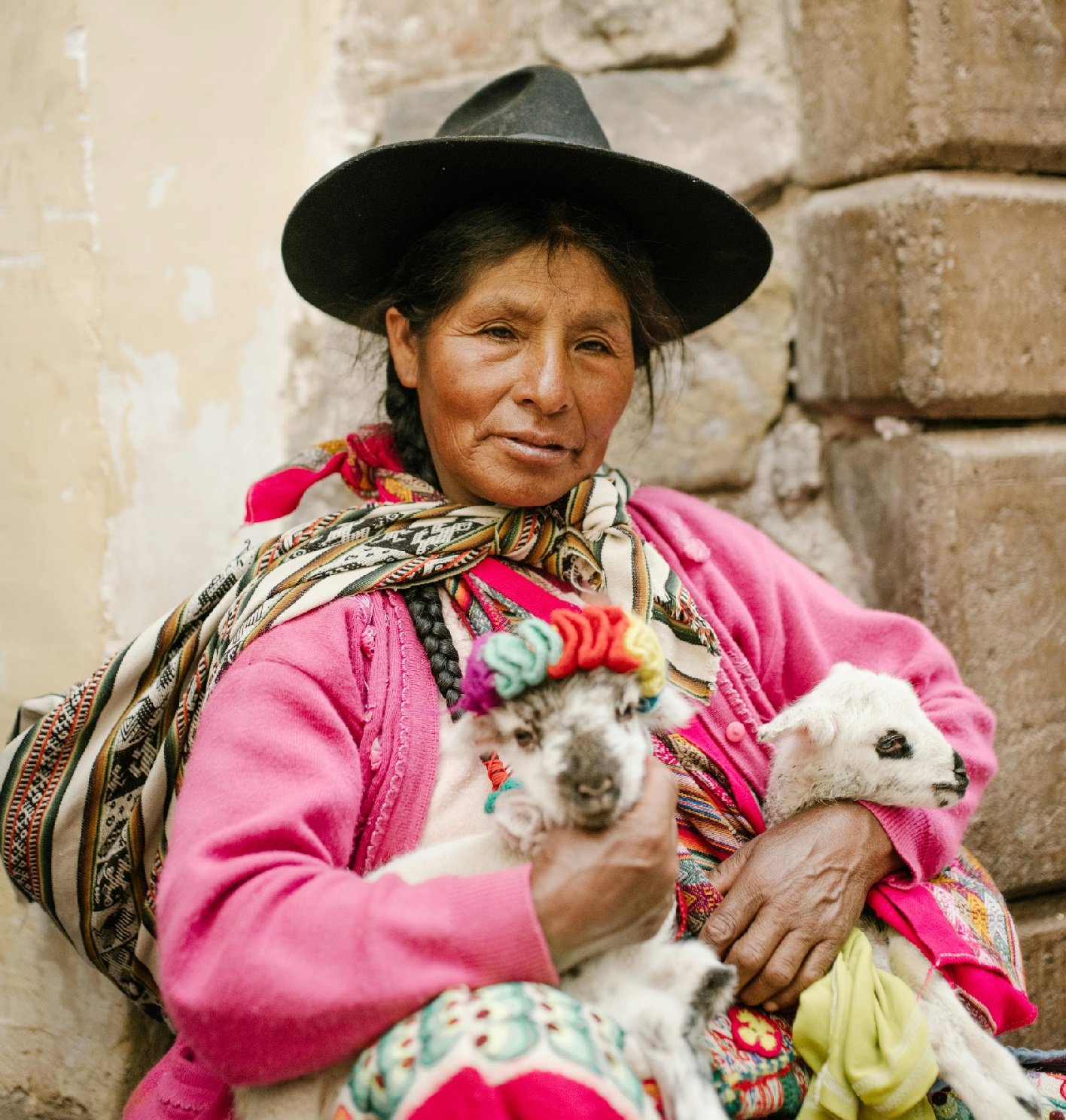
Bolivia, located in South America, is known for its vast reserves of natural gas. The country nationalized its hydrocarbon industry in the mid-2000s under the leadership of President Evo Morales, aiming to control and benefit from its natural resources. Bolivia has been able to use revenue from gas exports to fund social programs, infrastructure projects, and poverty reduction initiatives. In addition to natural gas, Bolivia is also rich in minerals like tin, silver, and lithium. The country holds one of the world's largest reserves of lithium, a key component in rechargeable batteries used in electronics and electric vehicles. Bolivia has been working to develop its lithium industry through partnerships with international companies to extract and process this valuable mineral. On the other hand, Iraq, located in the Middle East, is a major producer of oil. The country has some of the largest proven oil reserves in the world, and oil exports are the primary source of revenue for the Iraqi government. However, the oil industry in Iraq has faced challenges due to political instability, security issues, and fluctuations in global oil prices. Iraq also has significant reserves of natural gas and minerals like sulfur, phosphate, and gypsum. The country has been working to develop its gas fields for domestic use and export, as well as to attract investment in its mining sector. The Iraqi government has been implementing reforms to improve the management of its natural resources and attract foreign investment to diversify its economy. In conclusion, Bolivia and Iraq both have vast natural resources, including oil, gas, and minerals, that play a crucial role in their economies. Both countries face challenges in managing and maximizing the benefits of these resources, but they also have opportunities for further development and economic growth. By effectively managing their natural resources and attracting investment, Bolivia and Iraq can harness the potential of their rich resource endowments for the benefit of their people and future generations. Uncover valuable insights in https://www.turbien.com For more info https://www.hispanicblogger.com Don't miss more information at https://www.egyptwn.com To get more information check: https://www.investigar.org To delve deeper into this subject, consider these articles: https://www.cotidiano.org If you are interested you can check https://www.sugerencias.net For a deeper dive, visit: https://www.tosaopaulo.com More about this subject in https://www.unifil.org click the following link for more information: https://www.assyrians.net You can also check following website for more information about this subject: https://www.indicazioni.com For a broader exploration, take a look at https://www.toabudhabi.com To understand this better, read https://www.diaria.org to Get more information at https://www.cruzar.org For an alternative viewpoint, explore https://www.toalgeria.com You can also Have a visit at https://www.argentinainfo.com For expert commentary, delve into https://www.abandonar.org Check the link below: https://www.culturelle.org For a deeper dive, visit: https://www.departements.org Seeking answers? You might find them in https://www.riodejanieroinfo.com To delve deeper into this subject, consider these articles: https://www.syrien.org Have a look at the following website to get more information https://www.regionales.net For a broader perspective, don't miss https://www.ncciraq.com Want to learn more? Start with: https://www.mexicocityinfo.com Seeking answers? You might find them in https://www.todamascus.com For an extensive perspective, read https://www.paraguayinfo.com also click the following link for more https://www.boliviainfo.com If you are interested you can check the following website https://www.libyainfo.com For a comprehensive overview, don't miss: https://www.elindependiente.net
Leave a Comment:
SEARCH
Recent News
- Zurich is a vibrant city located in Switzerland and is well-known for its picturesque landscapes, rich history, and bustling business scene. The Spanish community in Zurich has been thriving, with many top companies from Spain making their mark in the city. These companies have not only contributed to the economy of Zurich but have also added diversity and innovation to the local business environment.
- Exploring Zurich: A Taste of Latin America in Switzerland
- Zurich, Switzerland is a vibrant city known for its stunning architecture, picturesque landscapes, and diverse culinary scene. While Swiss cuisine certainly holds a special place in the hearts of many locals and visitors, the city also boasts a variety of international dining options, including Latin American food.
- Zurich, Switzerland is a vibrant city known for its picturesque surroundings, high quality of life, and thriving multicultural community. Among the various expatriate communities that call Zurich home, the Latin American community stands out for its rich culture, lively traditions, and strong sense of community bonding.
- Zurich, Switzerland is a charming city known for its stunning architecture, picturesque surroundings, and vibrant cultural scene. However, if you're in the mood for a change of scenery and looking to explore a completely different culture, why not consider adding Bolivia to your travel bucket list? This South American country is a hidden gem awaiting your discovery, with its rich history, diverse landscapes, and fascinating indigenous cultures.
- Zurich, Switzerland is a city known for its stunning architecture, pristine lake, and vibrant cultural scene. Home to a diverse population, Zurich also attracts residents and visitors from all over the world, including those from Bolivia who bring their rich cultural heritage with them.
- Zurich, Switzerland is renowned for its stunning landscapes, rich history, and vibrant culture. One aspect of Zurich that often goes underappreciated is its diverse culinary scene. While Swiss cuisine is delightful in its own right, the city also plays host to a unique array of international cuisines, including the flavors of Bolivia.
- Zurich, Switzerland is known for its picturesque landscape, rich history, and vibrant business scene. While the city attracts businesses from all over the world, Bolivian entrepreneurs have also made their mark in Zurich's thriving business environment.
READ MORE
11 months ago Category :

Zurich is a vibrant city located in Switzerland and is well-known for its picturesque landscapes, rich history, and bustling business scene. The Spanish community in Zurich has been thriving, with many top companies from Spain making their mark in the city. These companies have not only contributed to the economy of Zurich but have also added diversity and innovation to the local business environment.
Read More →11 months ago Category :

Exploring Zurich: A Taste of Latin America in Switzerland
Read More →11 months ago Category :

Zurich, Switzerland is a vibrant city known for its stunning architecture, picturesque landscapes, and diverse culinary scene. While Swiss cuisine certainly holds a special place in the hearts of many locals and visitors, the city also boasts a variety of international dining options, including Latin American food.
Read More →11 months ago Category :
