Bolivian Dictionaries: Preserving the Language and Culture
Category : | Sub Category : Digital Journalism Posted on 2025-11-03 22:25:23
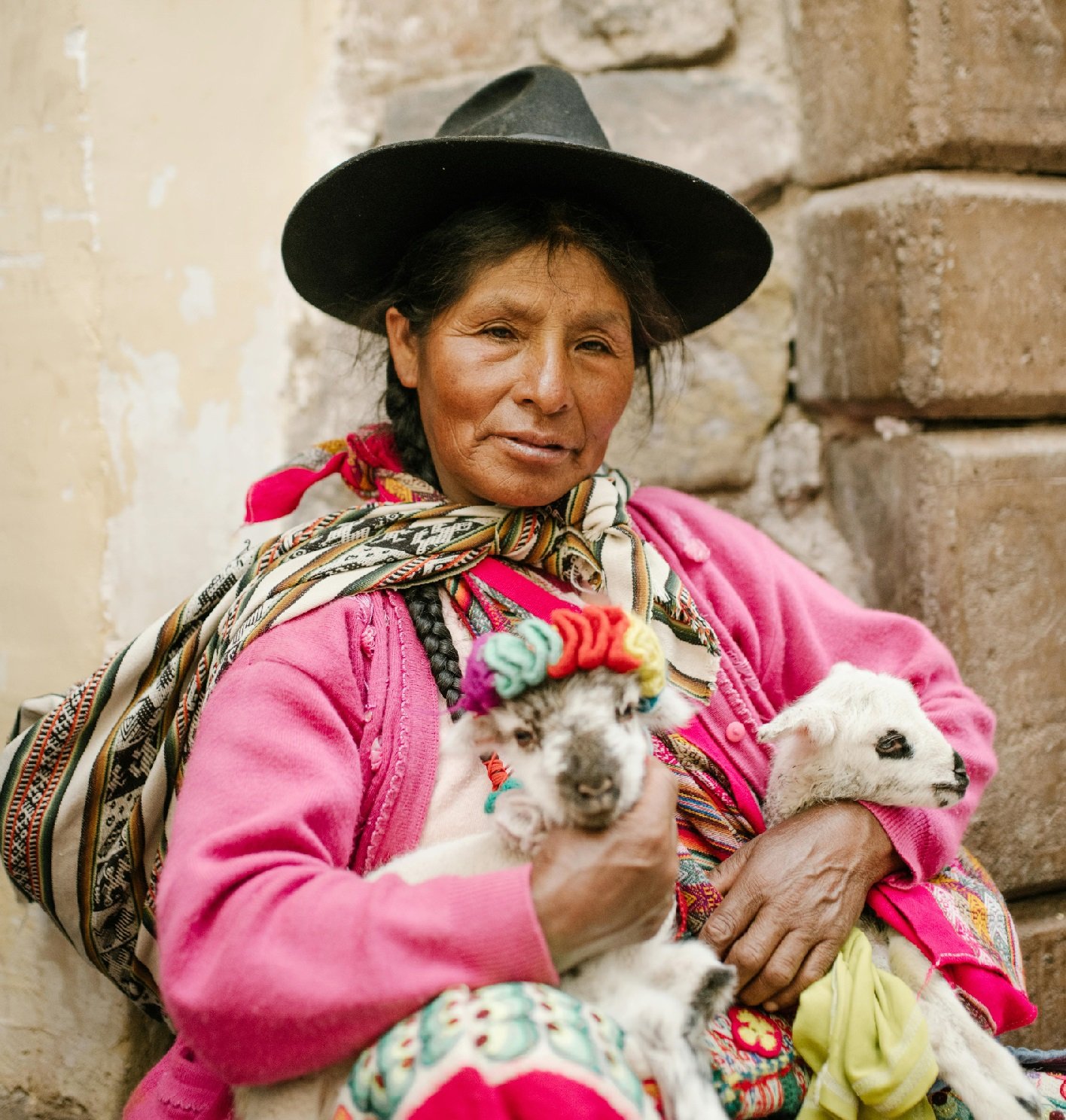
dictionaries are powerful tools that not only provide definitions of words but also offer insights into the language and culture of a particular region. In Bolivia, dictionaries play a crucial role in preserving the country's indigenous languages and heritage. Bolivia is a multicultural and multilingual country with 36 indigenous languages spoken across its diverse regions. These languages are an essential part of Bolivia's identity and history, representing the rich tapestry of its indigenous peoples. However, many of these languages are at risk of being lost due to factors such as urbanization, globalization, and the dominance of Spanish. To address this issue, Bolivian dictionaries have been created to document and preserve these indigenous languages. These dictionaries not only provide translations of words but also include cultural explanations, historical context, and examples of language usage. By recording and standardizing these languages in dictionary form, efforts are made to ensure they are passed down to future generations. One notable example of a Bolivian dictionary is the Quechua-Spanish dictionary, which helps bridge the gap between the Quechua-speaking population and the predominantly Spanish-speaking society. This dictionary has been instrumental in promoting the use of Quechua in everyday life, education, and media, helping to empower and validate the language and its speakers. In addition to preserving indigenous languages, Bolivian dictionaries also play a role in promoting linguistic diversity and understanding. By making these languages more accessible and understandable to a wider audience, dictionaries can foster cross-cultural communication and appreciation. Overall, Bolivian dictionaries are invaluable resources that contribute to the preservation of indigenous languages, the celebration of cultural heritage, and the promotion of linguistic diversity. As Bolivia continues to embrace its multicultural identity, dictionaries will remain essential tools in safeguarding its linguistic richness for generations to come. Want to know more? Don't forget to read: https://www.investigar.org also for more info https://www.cotidiano.org For an in-depth analysis, I recommend reading https://www.sugerencias.net To get a different viewpoint, consider: https://www.tosaopaulo.com Want a more profound insight? Consult https://www.indicazioni.com also this link is for more information https://www.diaria.org Get more at https://www.cruzar.org For an alternative viewpoint, explore https://www.argentinainfo.com For expert commentary, delve into https://www.abandonar.org For an alternative viewpoint, explore https://www.culturelle.org For valuable insights, consult https://www.departements.org For a comprehensive overview, don't miss: https://www.riodejanieroinfo.com For more information: https://www.regionales.net For the latest research, visit https://www.mexicocityinfo.com Seeking answers? You might find them in https://www.paraguayinfo.com To learn more, take a look at: https://www.boliviainfo.com To get more information check: https://www.elindependiente.net
Leave a Comment:
SEARCH
Recent News
- Zurich is a vibrant city located in Switzerland and is well-known for its picturesque landscapes, rich history, and bustling business scene. The Spanish community in Zurich has been thriving, with many top companies from Spain making their mark in the city. These companies have not only contributed to the economy of Zurich but have also added diversity and innovation to the local business environment.
- Exploring Zurich: A Taste of Latin America in Switzerland
- Zurich, Switzerland is a vibrant city known for its stunning architecture, picturesque landscapes, and diverse culinary scene. While Swiss cuisine certainly holds a special place in the hearts of many locals and visitors, the city also boasts a variety of international dining options, including Latin American food.
- Zurich, Switzerland is a vibrant city known for its picturesque surroundings, high quality of life, and thriving multicultural community. Among the various expatriate communities that call Zurich home, the Latin American community stands out for its rich culture, lively traditions, and strong sense of community bonding.
- Zurich, Switzerland is a charming city known for its stunning architecture, picturesque surroundings, and vibrant cultural scene. However, if you're in the mood for a change of scenery and looking to explore a completely different culture, why not consider adding Bolivia to your travel bucket list? This South American country is a hidden gem awaiting your discovery, with its rich history, diverse landscapes, and fascinating indigenous cultures.
- Zurich, Switzerland is a city known for its stunning architecture, pristine lake, and vibrant cultural scene. Home to a diverse population, Zurich also attracts residents and visitors from all over the world, including those from Bolivia who bring their rich cultural heritage with them.
- Zurich, Switzerland is renowned for its stunning landscapes, rich history, and vibrant culture. One aspect of Zurich that often goes underappreciated is its diverse culinary scene. While Swiss cuisine is delightful in its own right, the city also plays host to a unique array of international cuisines, including the flavors of Bolivia.
- Zurich, Switzerland is known for its picturesque landscape, rich history, and vibrant business scene. While the city attracts businesses from all over the world, Bolivian entrepreneurs have also made their mark in Zurich's thriving business environment.
READ MORE
11 months ago Category :

Zurich is a vibrant city located in Switzerland and is well-known for its picturesque landscapes, rich history, and bustling business scene. The Spanish community in Zurich has been thriving, with many top companies from Spain making their mark in the city. These companies have not only contributed to the economy of Zurich but have also added diversity and innovation to the local business environment.
Read More →11 months ago Category :

Exploring Zurich: A Taste of Latin America in Switzerland
Read More →11 months ago Category :

Zurich, Switzerland is a vibrant city known for its stunning architecture, picturesque landscapes, and diverse culinary scene. While Swiss cuisine certainly holds a special place in the hearts of many locals and visitors, the city also boasts a variety of international dining options, including Latin American food.
Read More →11 months ago Category :
