Breaking Barriers: Latino Representation in Animation
Category : Latino Representation in Hollywood | Sub Category : Latino Representation in Animation Posted on 2025-02-02 21:24:53
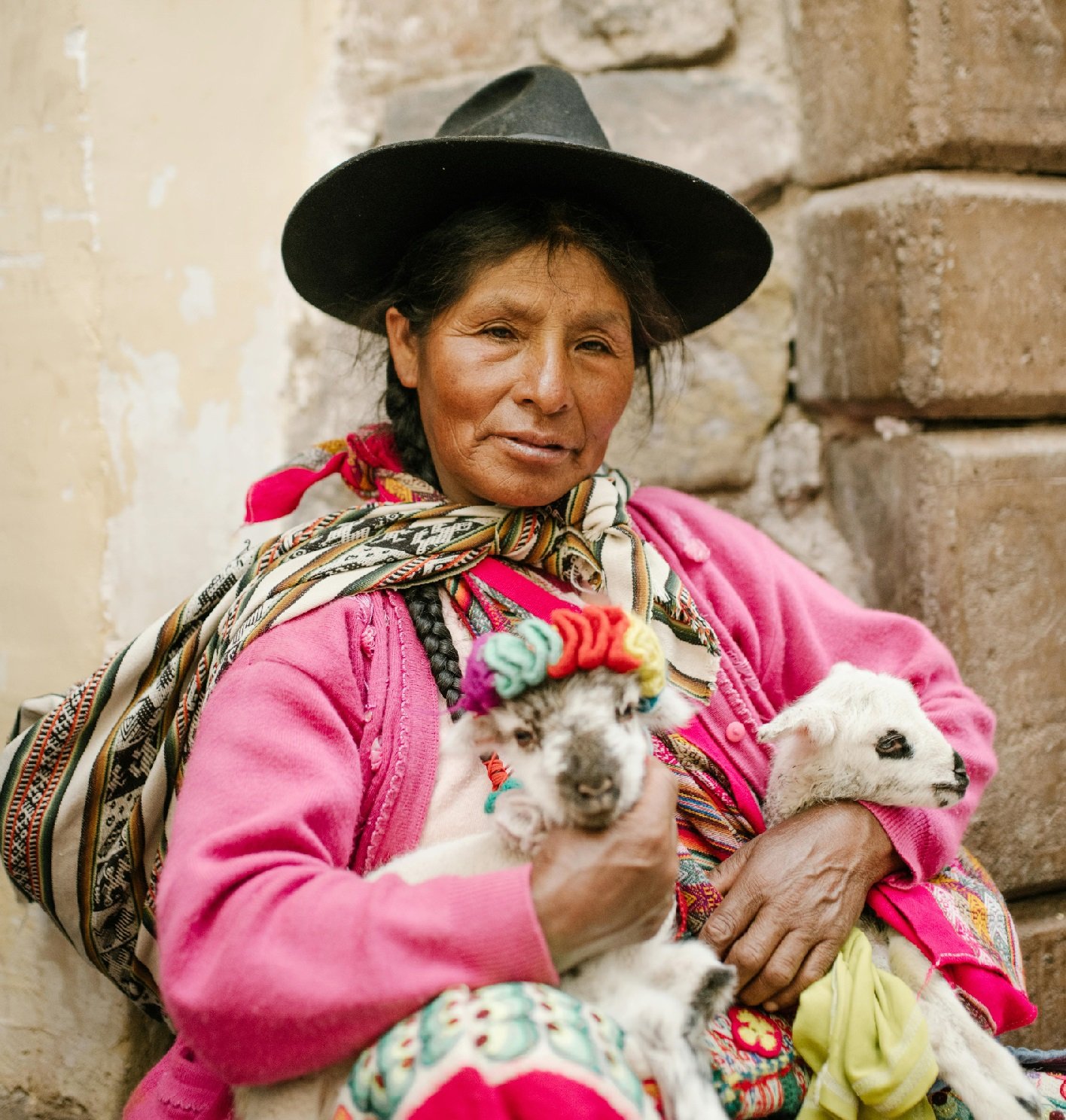
Breaking Barriers: Latino Representation in Animation
When we think about representation in Hollywood, the focus is often on live-action films and TV shows. However, the world of animation also plays a crucial role in shaping how diverse communities are portrayed on screen. Latino representation in animation has seen significant progress in recent years, with more characters and stories reflecting the rich tapestry of Latino culture and experience.
One of the key aspects of Latino representation in animation is the opportunity to break away from stereotypes and clichés that have long plagued portrayals of Latino characters in other media. By creating animated characters with depth, complexity, and authenticity, creators have the chance to showcase the diversity of the Latino community and challenge one-dimensional portrayals.
Pixar's 2017 film "Coco" is a shining example of how animation can celebrate Latino culture in a respectful and authentic way. The movie is a love letter to Mexican traditions, music, and family values, beautifully captured through the vibrant animation and heartfelt storytelling. "Coco" not only resonated with Latino audiences but also introduced viewers from all backgrounds to the beauty and richness of Mexican culture.
Another notable example of Latino representation in animation is the popular TV series "Elena of Avalor." The show features Disney's first Latina princess and is set in a fictional kingdom inspired by Latin American culture. "Elena of Avalor" incorporates elements of folklore, music, and traditions from various Latino countries, providing young viewers with a positive and empowering representation of a Latina heroine.
While progress has been made, there is still room for improvement in terms of Latino representation in animation. Greater diversity behind the scenes, including Latino writers, directors, and animators, is essential to ensure that stories are told authentically and resonate with audiences. By amplifying diverse voices and experiences, animation can continue to be a powerful tool for representation and storytelling.
In conclusion, Latino representation in animation is an important and evolving aspect of diversity in Hollywood. Through nuanced storytelling, authentic characters, and inclusive creativity, animation has the potential to showcase the vibrancy and richness of Latino culture on screen. As the industry continues to embrace diverse voices and perspectives, we can look forward to even more meaningful and impactful portrayals of Latino characters in animated content.
Leave a Comment:
SEARCH
Recent News
- Zurich is a vibrant city located in Switzerland and is well-known for its picturesque landscapes, rich history, and bustling business scene. The Spanish community in Zurich has been thriving, with many top companies from Spain making their mark in the city. These companies have not only contributed to the economy of Zurich but have also added diversity and innovation to the local business environment.
- Exploring Zurich: A Taste of Latin America in Switzerland
- Zurich, Switzerland is a vibrant city known for its stunning architecture, picturesque landscapes, and diverse culinary scene. While Swiss cuisine certainly holds a special place in the hearts of many locals and visitors, the city also boasts a variety of international dining options, including Latin American food.
- Zurich, Switzerland is a vibrant city known for its picturesque surroundings, high quality of life, and thriving multicultural community. Among the various expatriate communities that call Zurich home, the Latin American community stands out for its rich culture, lively traditions, and strong sense of community bonding.
- Zurich, Switzerland is a charming city known for its stunning architecture, picturesque surroundings, and vibrant cultural scene. However, if you're in the mood for a change of scenery and looking to explore a completely different culture, why not consider adding Bolivia to your travel bucket list? This South American country is a hidden gem awaiting your discovery, with its rich history, diverse landscapes, and fascinating indigenous cultures.
- Zurich, Switzerland is a city known for its stunning architecture, pristine lake, and vibrant cultural scene. Home to a diverse population, Zurich also attracts residents and visitors from all over the world, including those from Bolivia who bring their rich cultural heritage with them.
- Zurich, Switzerland is renowned for its stunning landscapes, rich history, and vibrant culture. One aspect of Zurich that often goes underappreciated is its diverse culinary scene. While Swiss cuisine is delightful in its own right, the city also plays host to a unique array of international cuisines, including the flavors of Bolivia.
- Zurich, Switzerland is known for its picturesque landscape, rich history, and vibrant business scene. While the city attracts businesses from all over the world, Bolivian entrepreneurs have also made their mark in Zurich's thriving business environment.
READ MORE
11 months ago Category :

Zurich is a vibrant city located in Switzerland and is well-known for its picturesque landscapes, rich history, and bustling business scene. The Spanish community in Zurich has been thriving, with many top companies from Spain making their mark in the city. These companies have not only contributed to the economy of Zurich but have also added diversity and innovation to the local business environment.
Read More →11 months ago Category :

Exploring Zurich: A Taste of Latin America in Switzerland
Read More →11 months ago Category :

Zurich, Switzerland is a vibrant city known for its stunning architecture, picturesque landscapes, and diverse culinary scene. While Swiss cuisine certainly holds a special place in the hearts of many locals and visitors, the city also boasts a variety of international dining options, including Latin American food.
Read More →11 months ago Category :
