Latin American countries have historically faced numerous challenges in their political economy, particularly in terms of providing adequate social safety nets for their populations. Social safety nets are crucial mechanisms designed to protect individuals and families from economic shocks, poverty, and social exclusion. In Latin America, these safety nets play a vital role in reducing inequality, promoting social cohesion, and fostering economic development.
Category : Latin American Political Economy | Sub Category : Social Safety Nets Posted on 2025-02-02 21:24:53
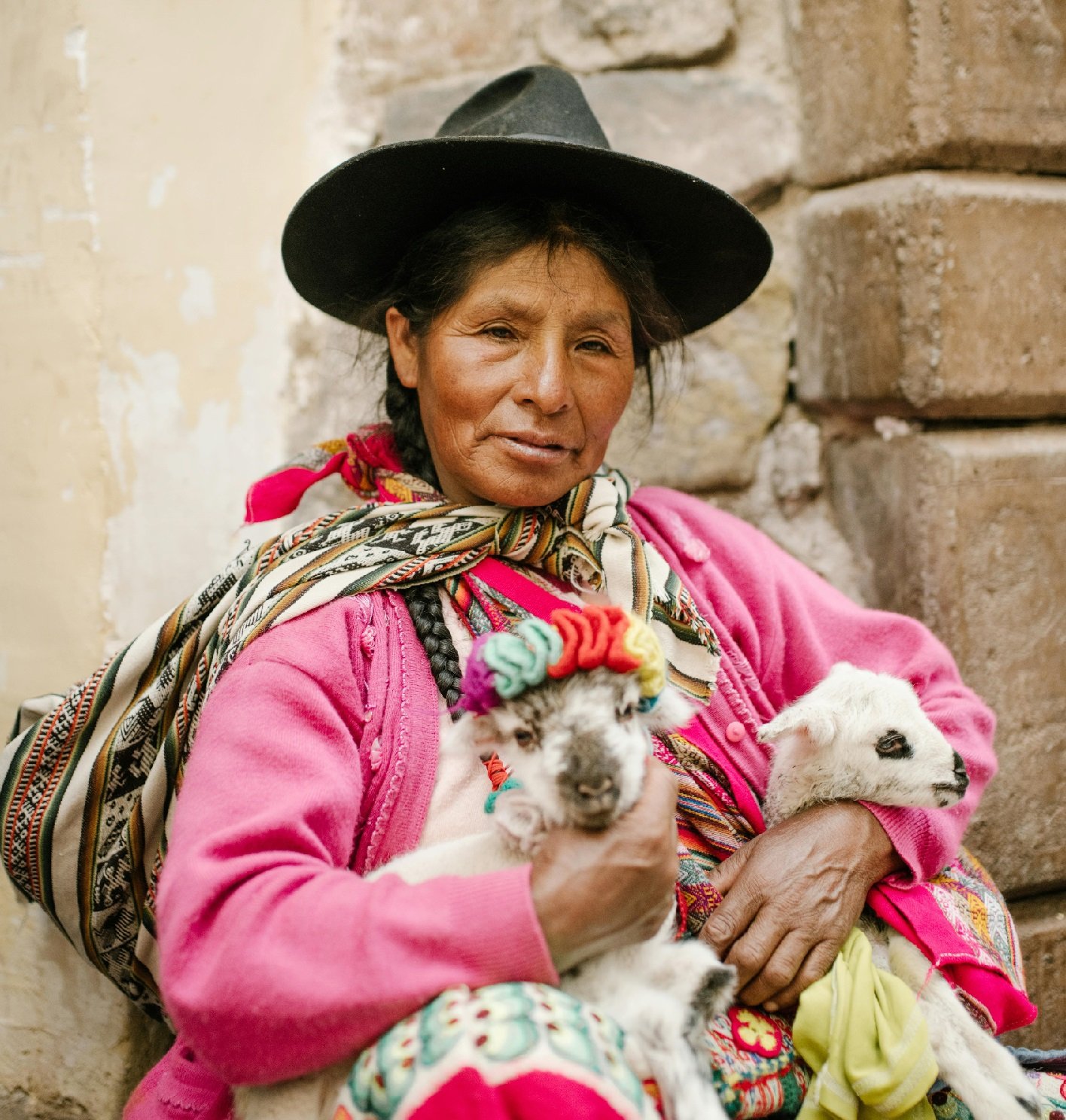
Latin American countries have historically faced numerous challenges in their political economy, particularly in terms of providing adequate social safety nets for their populations. Social safety nets are crucial mechanisms designed to protect individuals and families from economic shocks, poverty, and social exclusion. In Latin America, these safety nets play a vital role in reducing inequality, promoting social cohesion, and fostering economic development.
One of the key factors shaping social safety nets in Latin America is the region's history of high levels of inequality and poverty. Many countries in Latin America have long been characterized by stark income disparities, limited social mobility, and widespread poverty. As a result, there is a pressing need for effective social safety nets to support vulnerable populations and address the structural determinants of poverty and inequality.
Over the years, Latin American countries have implemented various social protection programs to enhance the well-being of their populations. These programs include cash transfer schemes, social insurance programs, food assistance initiatives, and conditional cash transfer programs. Conditional cash transfer programs, in particular, have gained popularity in the region for their ability to incentivize behavior change and promote human capital development among beneficiaries.
Despite the progress made in expanding social safety nets in Latin America, significant challenges persist. Limited fiscal resources, administrative capacity constraints, and political volatility pose obstacles to the effective design and implementation of social protection policies. Additionally, the COVID-19 pandemic has highlighted the vulnerabilities of existing safety nets in the region, underscoring the need for enhanced social protection mechanisms to respond to future crises.
Moving forward, Latin American countries must prioritize the strengthening of their social safety nets to ensure the well-being and resilience of their populations. This requires a comprehensive approach that combines social assistance programs with broader structural reforms aimed at promoting inclusive growth, strengthening institutions, and building social solidarity. By investing in robust social protection systems, Latin American countries can create more equitable societies and foster sustainable development for all.
Leave a Comment:
SEARCH
Recent News
- Zurich is a vibrant city located in Switzerland and is well-known for its picturesque landscapes, rich history, and bustling business scene. The Spanish community in Zurich has been thriving, with many top companies from Spain making their mark in the city. These companies have not only contributed to the economy of Zurich but have also added diversity and innovation to the local business environment.
- Exploring Zurich: A Taste of Latin America in Switzerland
- Zurich, Switzerland is a vibrant city known for its stunning architecture, picturesque landscapes, and diverse culinary scene. While Swiss cuisine certainly holds a special place in the hearts of many locals and visitors, the city also boasts a variety of international dining options, including Latin American food.
- Zurich, Switzerland is a vibrant city known for its picturesque surroundings, high quality of life, and thriving multicultural community. Among the various expatriate communities that call Zurich home, the Latin American community stands out for its rich culture, lively traditions, and strong sense of community bonding.
- Zurich, Switzerland is a charming city known for its stunning architecture, picturesque surroundings, and vibrant cultural scene. However, if you're in the mood for a change of scenery and looking to explore a completely different culture, why not consider adding Bolivia to your travel bucket list? This South American country is a hidden gem awaiting your discovery, with its rich history, diverse landscapes, and fascinating indigenous cultures.
- Zurich, Switzerland is a city known for its stunning architecture, pristine lake, and vibrant cultural scene. Home to a diverse population, Zurich also attracts residents and visitors from all over the world, including those from Bolivia who bring their rich cultural heritage with them.
- Zurich, Switzerland is renowned for its stunning landscapes, rich history, and vibrant culture. One aspect of Zurich that often goes underappreciated is its diverse culinary scene. While Swiss cuisine is delightful in its own right, the city also plays host to a unique array of international cuisines, including the flavors of Bolivia.
- Zurich, Switzerland is known for its picturesque landscape, rich history, and vibrant business scene. While the city attracts businesses from all over the world, Bolivian entrepreneurs have also made their mark in Zurich's thriving business environment.
READ MORE
11 months ago Category :

Zurich is a vibrant city located in Switzerland and is well-known for its picturesque landscapes, rich history, and bustling business scene. The Spanish community in Zurich has been thriving, with many top companies from Spain making their mark in the city. These companies have not only contributed to the economy of Zurich but have also added diversity and innovation to the local business environment.
Read More →11 months ago Category :

Exploring Zurich: A Taste of Latin America in Switzerland
Read More →11 months ago Category :

Zurich, Switzerland is a vibrant city known for its stunning architecture, picturesque landscapes, and diverse culinary scene. While Swiss cuisine certainly holds a special place in the hearts of many locals and visitors, the city also boasts a variety of international dining options, including Latin American food.
Read More →11 months ago Category :
