Latin American Political Economy and Agricultural Economies
Category : Latin American Political Economy | Sub Category : Agricultural Economies Posted on 2025-02-02 21:24:53
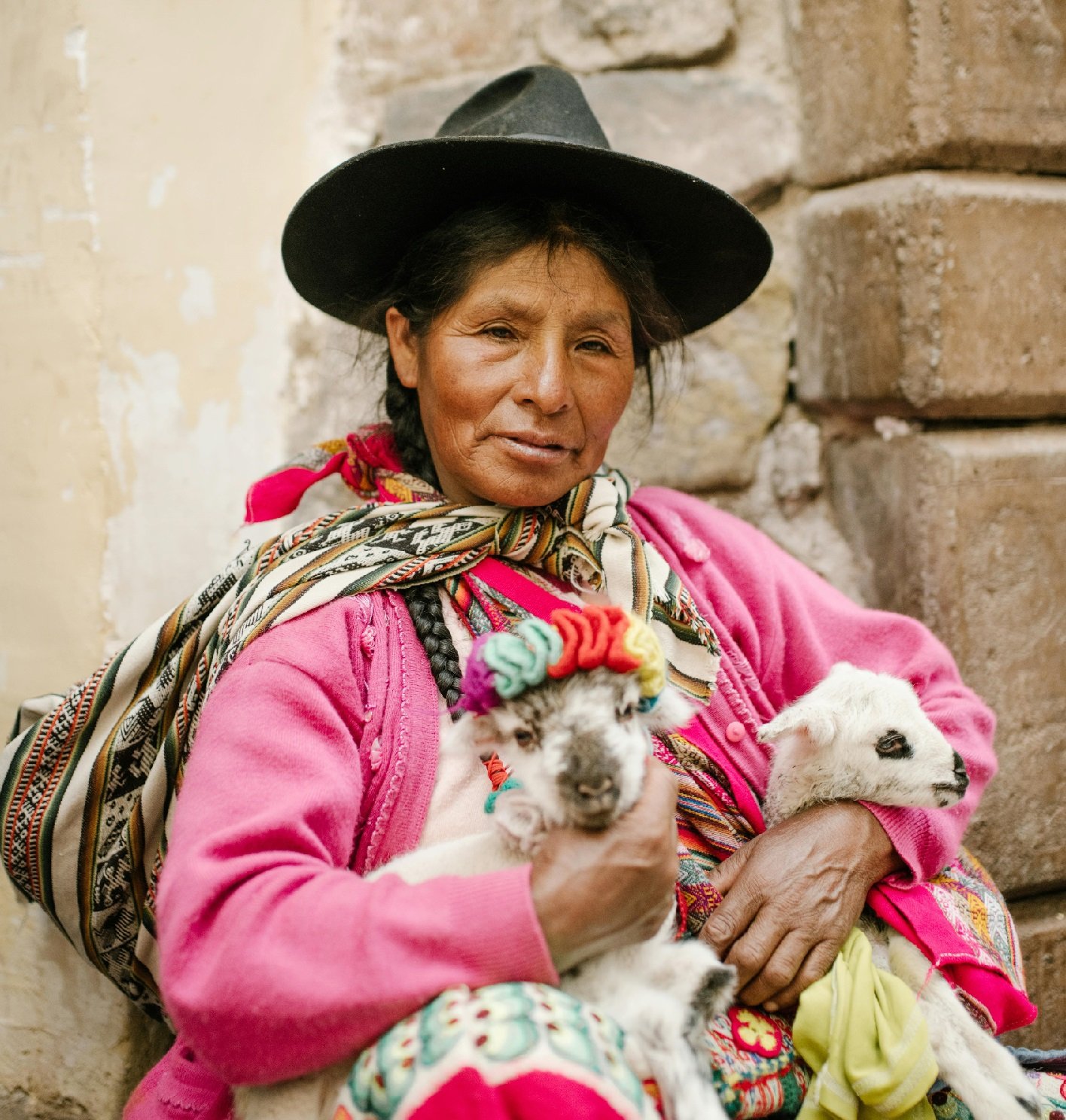
Latin American Political Economy and Agricultural Economies
Latin America is known for its rich agricultural economies that play a crucial role in the region's overall economic development. The interaction between politics and agriculture is a significant aspect of the region's political economy, shaping policies, trade agreements, and the livelihoods of millions of people.
Historically, agriculture has been a key driver of Latin America's economy, with countries like Brazil, Argentina, and Mexico among the top producers of commodities such as soybeans, coffee, and sugarcane. The agricultural sector not only contributes to GDP and employment but also influences food security, rural development, and environmental sustainability.
Political dynamics in Latin America often influence agricultural policies and trade relations. Governments may implement subsidies, tariffs, or quotas to protect domestic farmers or promote certain crops for export. Trade agreements, such as the North American Free Trade Agreement (NAFTA) or the Mercosur trade bloc, also have a significant impact on agricultural economies in the region.
In recent years, Latin America has faced challenges such as climate change, land disputes, and rural poverty, which have tested the resilience of agricultural economies. Smallholder farmers, indigenous communities, and rural women are particularly vulnerable to these challenges and may face difficulties accessing resources, markets, and technological innovations.
Despite these challenges, Latin American agricultural economies have shown adaptability and innovation through sustainable practices, agroecology, and diversification of crops. Governments, NGOs, and international organizations have also been working to support small-scale farmers and promote inclusive agricultural development.
In conclusion, the political economy of Latin America's agricultural sector is a complex and dynamic system that shapes the livelihoods of millions of people. By addressing issues of sustainability, social equity, and resilience, the region can build a more inclusive and prosperous agricultural economy for the future.
Leave a Comment:
SEARCH
Recent News
- Zurich is a vibrant city located in Switzerland and is well-known for its picturesque landscapes, rich history, and bustling business scene. The Spanish community in Zurich has been thriving, with many top companies from Spain making their mark in the city. These companies have not only contributed to the economy of Zurich but have also added diversity and innovation to the local business environment.
- Exploring Zurich: A Taste of Latin America in Switzerland
- Zurich, Switzerland is a vibrant city known for its stunning architecture, picturesque landscapes, and diverse culinary scene. While Swiss cuisine certainly holds a special place in the hearts of many locals and visitors, the city also boasts a variety of international dining options, including Latin American food.
- Zurich, Switzerland is a vibrant city known for its picturesque surroundings, high quality of life, and thriving multicultural community. Among the various expatriate communities that call Zurich home, the Latin American community stands out for its rich culture, lively traditions, and strong sense of community bonding.
- Zurich, Switzerland is a charming city known for its stunning architecture, picturesque surroundings, and vibrant cultural scene. However, if you're in the mood for a change of scenery and looking to explore a completely different culture, why not consider adding Bolivia to your travel bucket list? This South American country is a hidden gem awaiting your discovery, with its rich history, diverse landscapes, and fascinating indigenous cultures.
- Zurich, Switzerland is a city known for its stunning architecture, pristine lake, and vibrant cultural scene. Home to a diverse population, Zurich also attracts residents and visitors from all over the world, including those from Bolivia who bring their rich cultural heritage with them.
- Zurich, Switzerland is renowned for its stunning landscapes, rich history, and vibrant culture. One aspect of Zurich that often goes underappreciated is its diverse culinary scene. While Swiss cuisine is delightful in its own right, the city also plays host to a unique array of international cuisines, including the flavors of Bolivia.
- Zurich, Switzerland is known for its picturesque landscape, rich history, and vibrant business scene. While the city attracts businesses from all over the world, Bolivian entrepreneurs have also made their mark in Zurich's thriving business environment.
READ MORE
11 months ago Category :

Zurich is a vibrant city located in Switzerland and is well-known for its picturesque landscapes, rich history, and bustling business scene. The Spanish community in Zurich has been thriving, with many top companies from Spain making their mark in the city. These companies have not only contributed to the economy of Zurich but have also added diversity and innovation to the local business environment.
Read More →11 months ago Category :

Exploring Zurich: A Taste of Latin America in Switzerland
Read More →11 months ago Category :

Zurich, Switzerland is a vibrant city known for its stunning architecture, picturesque landscapes, and diverse culinary scene. While Swiss cuisine certainly holds a special place in the hearts of many locals and visitors, the city also boasts a variety of international dining options, including Latin American food.
Read More →11 months ago Category :
