Latin American Heritage and Identity: Dia de los Muertos
Category : Latin American Heritage and Identity | Sub Category : Dia de los Muertos Posted on 2025-02-02 21:24:53
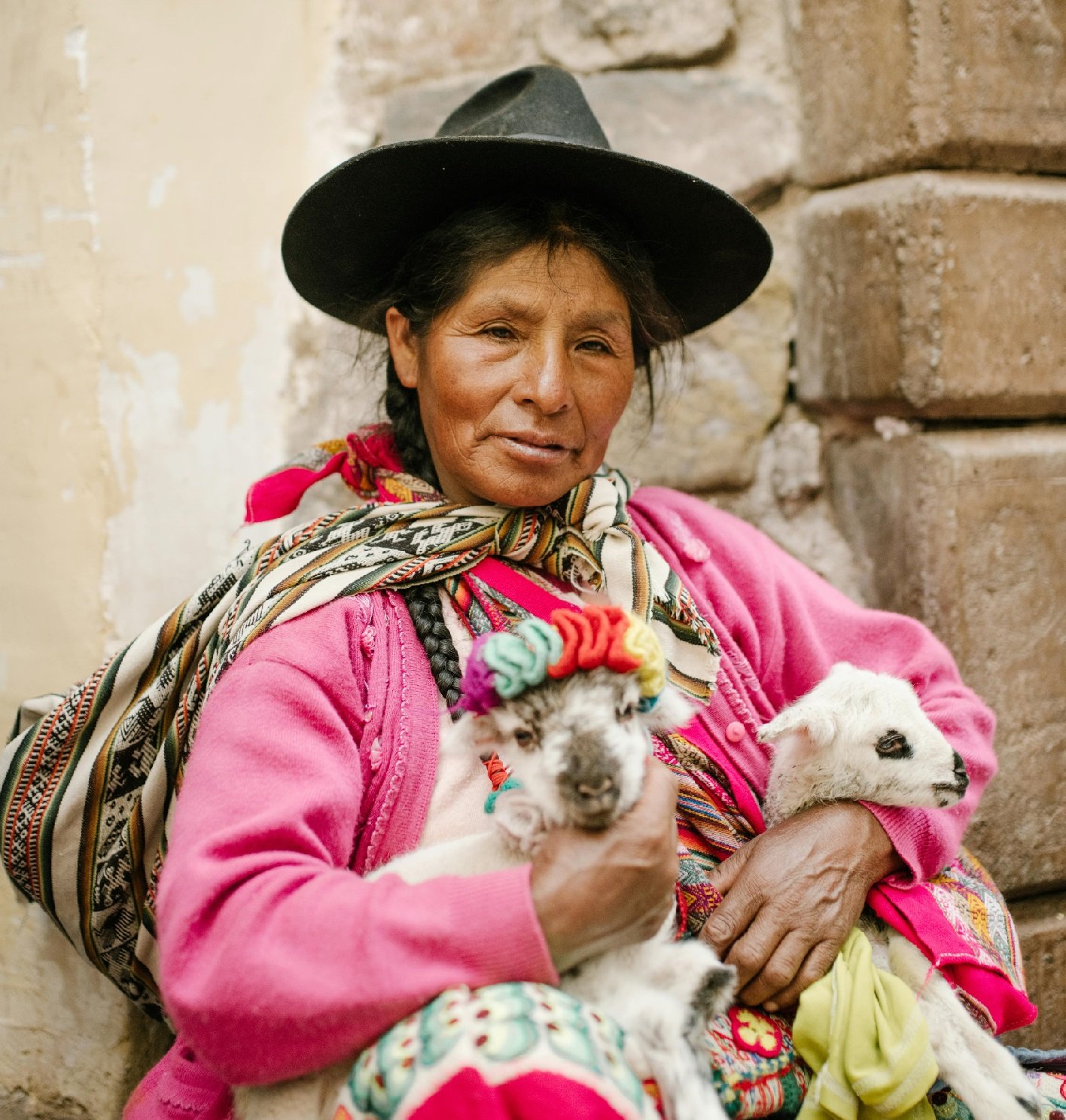
Latin American Heritage and Identity: Dia de los Muertos
Dia de los Muertos, or Day of the Dead, is a traditional Mexican holiday that is celebrated throughout Latin America and beyond. This holiday, which takes place on November 1st and 2nd, is a time to remember and honor deceased loved ones.
Dia de los Muertos is a unique celebration that blends indigenous Aztec rituals with Catholic traditions brought by Spanish colonizers. The holiday is a colorful and vibrant affair, filled with elaborate altars, marigolds, sugar skulls, and the scent of copal incense.
One of the most iconic symbols of Dia de los Muertos is the calavera, or skull. These whimsical and sometimes humorous skull representations can be found on everything from decorations to sweet treats. The calavera serves as a reminder that death is an inevitable part of life and should be embraced rather than feared.
During Dia de los Muertos, families come together to create ofrendas, or altars, to honor their deceased loved ones. These altars are adorned with photos, candles, flowers, and the favorite foods and drinks of the departed. It is believed that the spirits of the dead return to visit their living relatives during this time, and the ofrendas serve as a way to welcome and nourish them.
One of the key aspects of Dia de los Muertos is the belief that death is not the end, but rather a transition to another stage of existence. Through joyful celebrations, music, and dance, participants honor the memories of their departed loved ones and ensure that they are never forgotten.
Dia de los Muertos is a powerful expression of Latin American identity and heritage, showcasing the rich cultural tapestry of the region. It serves as a poignant reminder of the interconnectedness between the living and the dead, and the importance of honoring and remembering those who have passed on.
In conclusion, Dia de los Muertos is a vibrant and deeply meaningful celebration that captures the essence of Latin American heritage and identity. It serves as a time to reflect on the cycle of life and death, and to celebrate the enduring bond between the living and the deceased.
Leave a Comment:
SEARCH
Recent News
- Zurich is a vibrant city located in Switzerland and is well-known for its picturesque landscapes, rich history, and bustling business scene. The Spanish community in Zurich has been thriving, with many top companies from Spain making their mark in the city. These companies have not only contributed to the economy of Zurich but have also added diversity and innovation to the local business environment.
- Exploring Zurich: A Taste of Latin America in Switzerland
- Zurich, Switzerland is a vibrant city known for its stunning architecture, picturesque landscapes, and diverse culinary scene. While Swiss cuisine certainly holds a special place in the hearts of many locals and visitors, the city also boasts a variety of international dining options, including Latin American food.
- Zurich, Switzerland is a vibrant city known for its picturesque surroundings, high quality of life, and thriving multicultural community. Among the various expatriate communities that call Zurich home, the Latin American community stands out for its rich culture, lively traditions, and strong sense of community bonding.
- Zurich, Switzerland is a charming city known for its stunning architecture, picturesque surroundings, and vibrant cultural scene. However, if you're in the mood for a change of scenery and looking to explore a completely different culture, why not consider adding Bolivia to your travel bucket list? This South American country is a hidden gem awaiting your discovery, with its rich history, diverse landscapes, and fascinating indigenous cultures.
- Zurich, Switzerland is a city known for its stunning architecture, pristine lake, and vibrant cultural scene. Home to a diverse population, Zurich also attracts residents and visitors from all over the world, including those from Bolivia who bring their rich cultural heritage with them.
- Zurich, Switzerland is renowned for its stunning landscapes, rich history, and vibrant culture. One aspect of Zurich that often goes underappreciated is its diverse culinary scene. While Swiss cuisine is delightful in its own right, the city also plays host to a unique array of international cuisines, including the flavors of Bolivia.
- Zurich, Switzerland is known for its picturesque landscape, rich history, and vibrant business scene. While the city attracts businesses from all over the world, Bolivian entrepreneurs have also made their mark in Zurich's thriving business environment.
READ MORE
11 months ago Category :

Zurich is a vibrant city located in Switzerland and is well-known for its picturesque landscapes, rich history, and bustling business scene. The Spanish community in Zurich has been thriving, with many top companies from Spain making their mark in the city. These companies have not only contributed to the economy of Zurich but have also added diversity and innovation to the local business environment.
Read More →11 months ago Category :

Exploring Zurich: A Taste of Latin America in Switzerland
Read More →11 months ago Category :

Zurich, Switzerland is a vibrant city known for its stunning architecture, picturesque landscapes, and diverse culinary scene. While Swiss cuisine certainly holds a special place in the hearts of many locals and visitors, the city also boasts a variety of international dining options, including Latin American food.
Read More →11 months ago Category :
