Surrealism, one of the most fascinating art movements of the 20th century, made a significant impact in Latin America, leading to the emergence of unique and compelling artworks from the region. While Surrealism first originated in Europe in the early 1920s, its influence quickly spread across the globe, reaching Latin American artists who found inspiration in its dreamlike, irrational, and subconscious themes.
Category : Latin American Art Movements | Sub Category : Surrealism in Latin America Posted on 2025-02-02 21:24:53
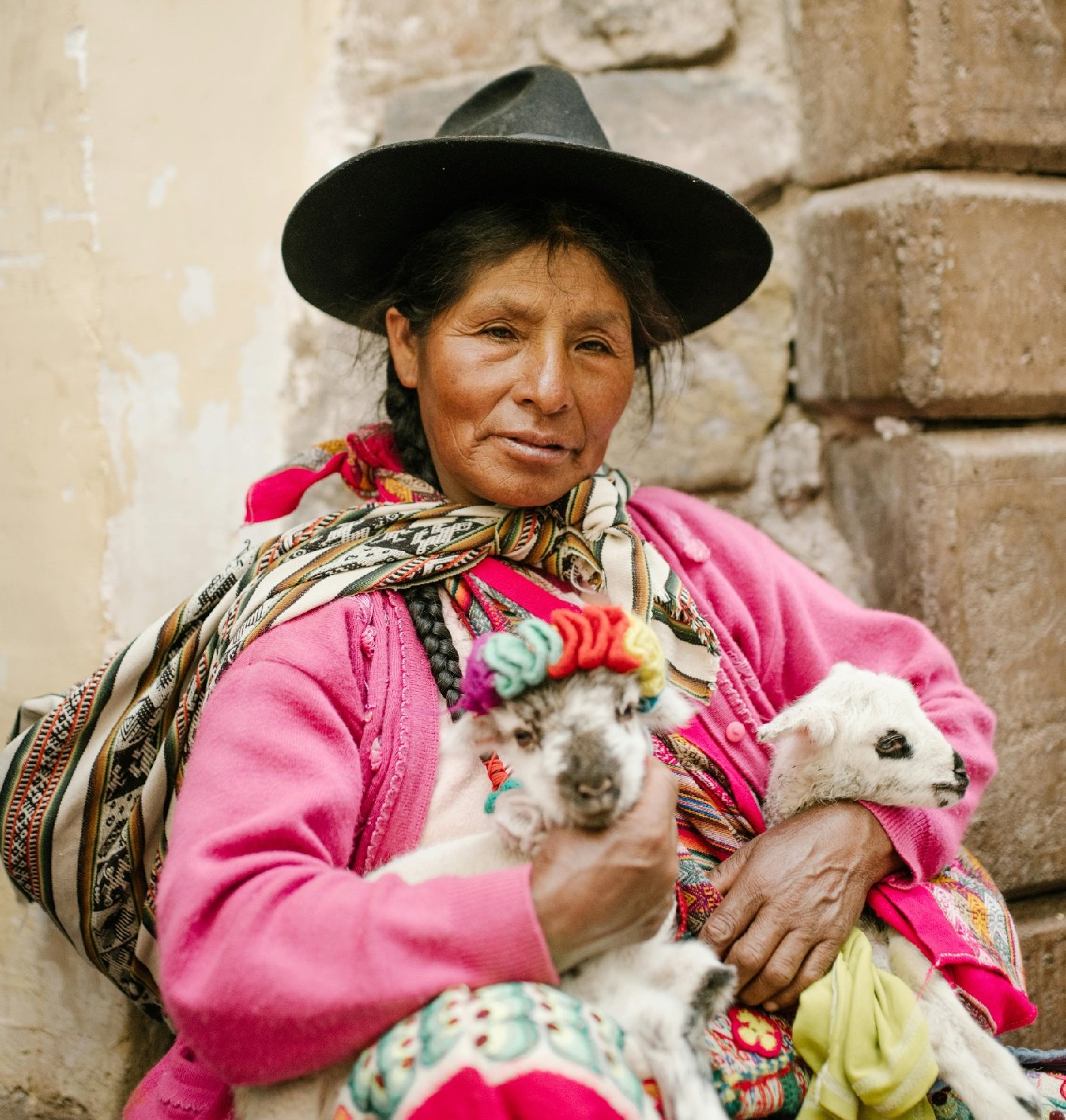
Surrealism, one of the most fascinating art movements of the 20th century, made a significant impact in Latin America, leading to the emergence of unique and compelling artworks from the region. While Surrealism first originated in Europe in the early 1920s, its influence quickly spread across the globe, reaching Latin American artists who found inspiration in its dreamlike, irrational, and subconscious themes.
One of the key figures in the dissemination of Surrealism in Latin America was the Chilean poet and diplomat Vicente Huidobro. Huidobro, who spent time in Europe and interacted with Surrealist artists such as André Breton and Salvador Dalí, introduced Surrealist ideas to Latin American artists through his writing and advocacy. As a result, Surrealism took root in countries like Mexico, Argentina, and Brazil, where artists began to explore the movement's revolutionary concepts.
In Mexico, Surrealism found fertile ground among artists like Remedios Varo and Leonora Carrington. These talented women created enchanting and enigmatic artworks that blended elements of magic realism with Surrealist imagery, capturing the imagination of viewers with their dreamlike narratives and symbolic motifs. Varo's intricate paintings often featured mysterious landscapes inhabited by fantastical creatures, while Carrington's work delved into themes of transformation and identity, imbuing her art with a sense of mystery and power.
In Argentina, the Surrealist movement flourished with artists such as Xul Solar and Roberto Matta. Xul Solar, known for his mystical paintings and invented languages, created a unique visual language that reflected his interest in spirituality and esotericism. Matta, on the other hand, was a key figure in the international Surrealist movement, collaborating with artists like Dalí and André Breton. His abstract and improvisational style pushed the boundaries of traditional painting, creating dynamic and immersive artworks that challenged viewers to reconsider their perceptions of reality.
Brazil also saw the rise of Surrealism through artists like Tarsila do Amaral and Cândido Portinari. Tarsila do Amaral's iconic painting "Abaporu" is considered a seminal work of Brazilian modernism, blending elements of Surrealism with indigenous Brazilian motifs to create a powerful and evocative image. Portinari, known for his powerful social realism works, also experimented with Surrealist ideas, incorporating dreamlike elements into his compositions to explore complex themes of human suffering and resilience.
Overall, Surrealism in Latin America was a vibrant and diverse movement that produced some of the most innovative and thought-provoking artworks of the 20th century. By embracing the dreamlike and fantastical elements of Surrealism, Latin American artists were able to express their unique perspectives and create a rich tapestry of imagery that continues to captivate audiences around the world.
Leave a Comment:
SEARCH
Recent News
- Zurich is a vibrant city located in Switzerland and is well-known for its picturesque landscapes, rich history, and bustling business scene. The Spanish community in Zurich has been thriving, with many top companies from Spain making their mark in the city. These companies have not only contributed to the economy of Zurich but have also added diversity and innovation to the local business environment.
- Exploring Zurich: A Taste of Latin America in Switzerland
- Zurich, Switzerland is a vibrant city known for its stunning architecture, picturesque landscapes, and diverse culinary scene. While Swiss cuisine certainly holds a special place in the hearts of many locals and visitors, the city also boasts a variety of international dining options, including Latin American food.
- Zurich, Switzerland is a vibrant city known for its picturesque surroundings, high quality of life, and thriving multicultural community. Among the various expatriate communities that call Zurich home, the Latin American community stands out for its rich culture, lively traditions, and strong sense of community bonding.
- Zurich, Switzerland is a charming city known for its stunning architecture, picturesque surroundings, and vibrant cultural scene. However, if you're in the mood for a change of scenery and looking to explore a completely different culture, why not consider adding Bolivia to your travel bucket list? This South American country is a hidden gem awaiting your discovery, with its rich history, diverse landscapes, and fascinating indigenous cultures.
- Zurich, Switzerland is a city known for its stunning architecture, pristine lake, and vibrant cultural scene. Home to a diverse population, Zurich also attracts residents and visitors from all over the world, including those from Bolivia who bring their rich cultural heritage with them.
- Zurich, Switzerland is renowned for its stunning landscapes, rich history, and vibrant culture. One aspect of Zurich that often goes underappreciated is its diverse culinary scene. While Swiss cuisine is delightful in its own right, the city also plays host to a unique array of international cuisines, including the flavors of Bolivia.
- Zurich, Switzerland is known for its picturesque landscape, rich history, and vibrant business scene. While the city attracts businesses from all over the world, Bolivian entrepreneurs have also made their mark in Zurich's thriving business environment.
READ MORE
11 months ago Category :

Zurich is a vibrant city located in Switzerland and is well-known for its picturesque landscapes, rich history, and bustling business scene. The Spanish community in Zurich has been thriving, with many top companies from Spain making their mark in the city. These companies have not only contributed to the economy of Zurich but have also added diversity and innovation to the local business environment.
Read More →11 months ago Category :

Exploring Zurich: A Taste of Latin America in Switzerland
Read More →11 months ago Category :

Zurich, Switzerland is a vibrant city known for its stunning architecture, picturesque landscapes, and diverse culinary scene. While Swiss cuisine certainly holds a special place in the hearts of many locals and visitors, the city also boasts a variety of international dining options, including Latin American food.
Read More →11 months ago Category :
