Latin American art has a rich history of political art that reflects the social and political issues of the region. Political art in Latin America has been used as a powerful tool to express dissent, advocate for social change, and raise awareness about pressing issues such as government corruption, human rights violations, inequality, and political repression.
Category : Latin American Art Movements | Sub Category : Political Art in Latin America Posted on 2025-02-02 21:24:53
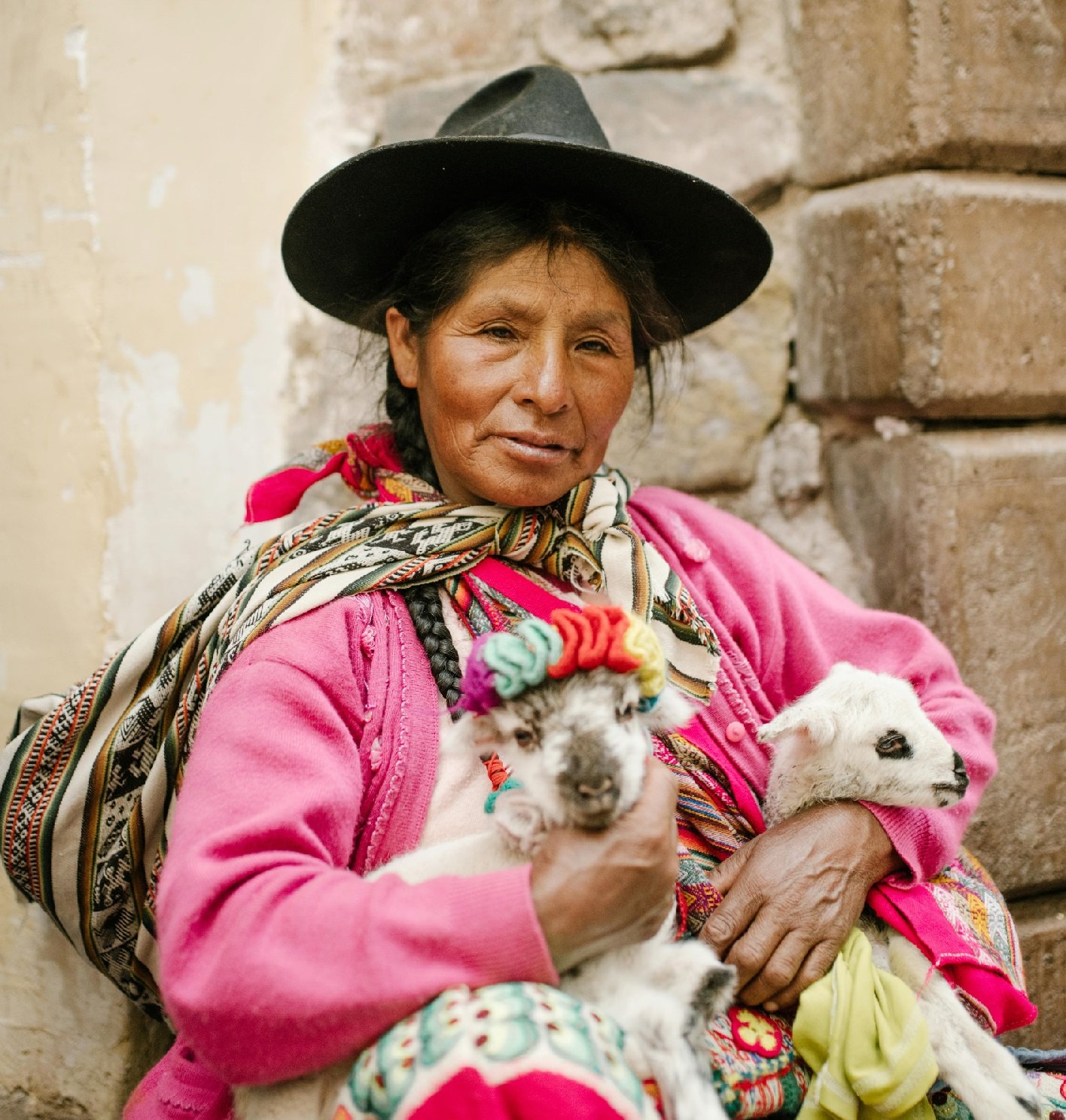
Latin American art has a rich history of political art that reflects the social and political issues of the region. Political art in Latin America has been used as a powerful tool to express dissent, advocate for social change, and raise awareness about pressing issues such as government corruption, human rights violations, inequality, and political repression.
One of the most significant art movements that emerged in Latin America with a strong political focus is the Muralism movement in Mexico. Artists such as Diego Rivera, David Alfaro Siqueiros, and Jose Clemente Orozco used mural painting as a medium to depict Mexican history, culture, and social struggles. Their murals often featured scenes of indigenous life, class struggles, and revolutionary heroes, conveying a powerful message of social justice and solidarity.
In other parts of Latin America, artists also engaged in political art to challenge authoritarian regimes and advocate for democracy and human rights. During the 1970s and 1980s, many Latin American countries were ruled by military dictatorships that repressed dissent and violated human rights. In response, artists created powerful works of art denouncing state violence, disappearances, and repression.
One notable example is the art produced during the Dirty War in Argentina, where thousands of people were forcibly disappeared by the military regime. Artists such as Leon Ferrari used their work to denounce the atrocities committed by the government and to demand justice for the victims. Similarly, in Chile, artists like Alfredo Jaar created poignant artworks that highlighted the human rights abuses under the Pinochet dictatorship.
In more recent years, political art in Latin America has continued to evolve, with artists using new mediums such as performance art, installation art, and street art to address contemporary issues. For example, in countries like Venezuela and Brazil, artists have been responding to political crises, corruption scandals, and social unrest through their artwork, challenging the status quo and calling for change.
Overall, political art in Latin America serves as a powerful form of resistance, giving voice to marginalized communities, amplifying dissenting voices, and challenging oppressive power structures. By using art to confront social and political injustices, Latin American artists continue to play a crucial role in shaping public discourse, raising awareness, and inspiring collective action for a more just and inclusive society.
Leave a Comment:
SEARCH
Recent News
- Zurich is a vibrant city located in Switzerland and is well-known for its picturesque landscapes, rich history, and bustling business scene. The Spanish community in Zurich has been thriving, with many top companies from Spain making their mark in the city. These companies have not only contributed to the economy of Zurich but have also added diversity and innovation to the local business environment.
- Exploring Zurich: A Taste of Latin America in Switzerland
- Zurich, Switzerland is a vibrant city known for its stunning architecture, picturesque landscapes, and diverse culinary scene. While Swiss cuisine certainly holds a special place in the hearts of many locals and visitors, the city also boasts a variety of international dining options, including Latin American food.
- Zurich, Switzerland is a vibrant city known for its picturesque surroundings, high quality of life, and thriving multicultural community. Among the various expatriate communities that call Zurich home, the Latin American community stands out for its rich culture, lively traditions, and strong sense of community bonding.
- Zurich, Switzerland is a charming city known for its stunning architecture, picturesque surroundings, and vibrant cultural scene. However, if you're in the mood for a change of scenery and looking to explore a completely different culture, why not consider adding Bolivia to your travel bucket list? This South American country is a hidden gem awaiting your discovery, with its rich history, diverse landscapes, and fascinating indigenous cultures.
- Zurich, Switzerland is a city known for its stunning architecture, pristine lake, and vibrant cultural scene. Home to a diverse population, Zurich also attracts residents and visitors from all over the world, including those from Bolivia who bring their rich cultural heritage with them.
- Zurich, Switzerland is renowned for its stunning landscapes, rich history, and vibrant culture. One aspect of Zurich that often goes underappreciated is its diverse culinary scene. While Swiss cuisine is delightful in its own right, the city also plays host to a unique array of international cuisines, including the flavors of Bolivia.
- Zurich, Switzerland is known for its picturesque landscape, rich history, and vibrant business scene. While the city attracts businesses from all over the world, Bolivian entrepreneurs have also made their mark in Zurich's thriving business environment.
READ MORE
11 months ago Category :

Zurich is a vibrant city located in Switzerland and is well-known for its picturesque landscapes, rich history, and bustling business scene. The Spanish community in Zurich has been thriving, with many top companies from Spain making their mark in the city. These companies have not only contributed to the economy of Zurich but have also added diversity and innovation to the local business environment.
Read More →11 months ago Category :

Exploring Zurich: A Taste of Latin America in Switzerland
Read More →11 months ago Category :

Zurich, Switzerland is a vibrant city known for its stunning architecture, picturesque landscapes, and diverse culinary scene. While Swiss cuisine certainly holds a special place in the hearts of many locals and visitors, the city also boasts a variety of international dining options, including Latin American food.
Read More →11 months ago Category :
