Latin American Art Movements: Modernism in Latin America
Category : Latin American Art Movements | Sub Category : Modernism in Latin America Posted on 2025-02-02 21:24:53
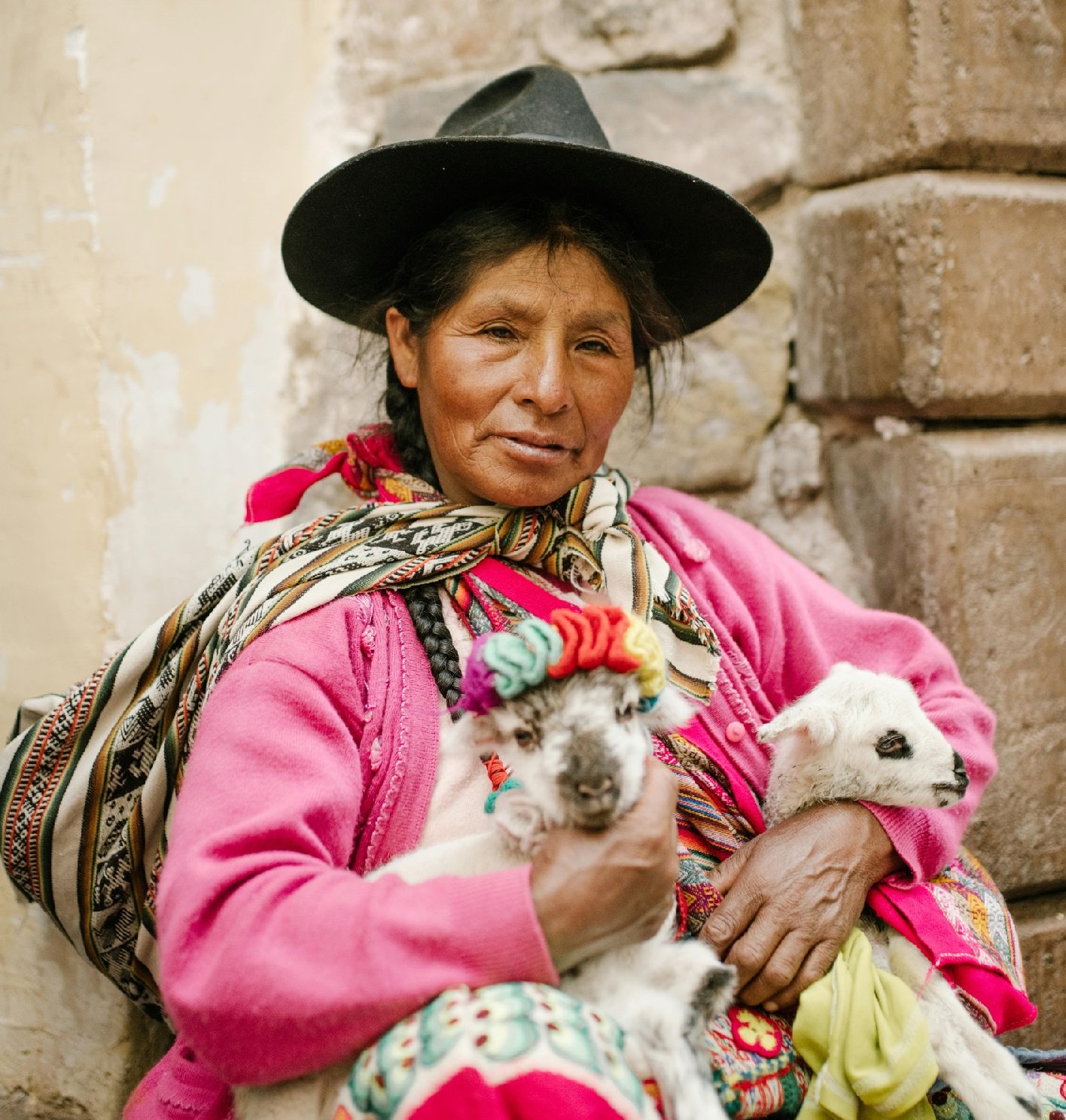
Latin American Art Movements: Modernism in Latin America
Latin American art has a rich and diverse history, influenced by a variety of cultural, social, and political factors. One of the most significant art movements in the region is Modernism, which emerged in Latin America in the early 20th century and had a profound impact on the art world.
Modernism in Latin America was characterized by a departure from traditional artistic styles and techniques, and a push towards experimentation and innovation. Artists in the region sought to break free from the constraints of academic art and explore new forms of expression that reflected the changing realities of the modern world.
One of the key figures of Modernism in Latin America was the Mexican painter and muralist, Diego Rivera. Rivera's bold and dynamic style, influenced by both European modernism and Mexican folk art, helped to shape the direction of Modernist art in the region. His large-scale murals, which often depicted scenes of social and political significance, were instrumental in bringing art out of the galleries and into public spaces.
Another important artist associated with Modernism in Latin America was the Brazilian painter, Tarsila do Amaral. Known for her bold use of color and simplified forms, do Amaral's work was deeply rooted in the culture and landscape of Brazil. Her paintings often combined elements of modernist abstraction with motifs derived from Brazilian folklore, creating a unique and vibrant visual language.
Modernism in Latin America was not limited to painting alone, but also extended to sculpture, architecture, and other art forms. Artists and architects across the region embraced the principles of Modernism, incorporating elements of abstraction, geometric forms, and industrial materials into their work.
Overall, Modernism in Latin America was a dynamic and transformative period in the history of art in the region. It paved the way for future generations of artists to explore new possibilities and push the boundaries of artistic expression. The legacy of Modernism continues to influence contemporary Latin American art, as artists draw inspiration from the innovative spirit of their predecessors while also forging new paths of their own.
Leave a Comment:
SEARCH
Recent News
- Zurich is a vibrant city located in Switzerland and is well-known for its picturesque landscapes, rich history, and bustling business scene. The Spanish community in Zurich has been thriving, with many top companies from Spain making their mark in the city. These companies have not only contributed to the economy of Zurich but have also added diversity and innovation to the local business environment.
- Exploring Zurich: A Taste of Latin America in Switzerland
- Zurich, Switzerland is a vibrant city known for its stunning architecture, picturesque landscapes, and diverse culinary scene. While Swiss cuisine certainly holds a special place in the hearts of many locals and visitors, the city also boasts a variety of international dining options, including Latin American food.
- Zurich, Switzerland is a vibrant city known for its picturesque surroundings, high quality of life, and thriving multicultural community. Among the various expatriate communities that call Zurich home, the Latin American community stands out for its rich culture, lively traditions, and strong sense of community bonding.
- Zurich, Switzerland is a charming city known for its stunning architecture, picturesque surroundings, and vibrant cultural scene. However, if you're in the mood for a change of scenery and looking to explore a completely different culture, why not consider adding Bolivia to your travel bucket list? This South American country is a hidden gem awaiting your discovery, with its rich history, diverse landscapes, and fascinating indigenous cultures.
- Zurich, Switzerland is a city known for its stunning architecture, pristine lake, and vibrant cultural scene. Home to a diverse population, Zurich also attracts residents and visitors from all over the world, including those from Bolivia who bring their rich cultural heritage with them.
- Zurich, Switzerland is renowned for its stunning landscapes, rich history, and vibrant culture. One aspect of Zurich that often goes underappreciated is its diverse culinary scene. While Swiss cuisine is delightful in its own right, the city also plays host to a unique array of international cuisines, including the flavors of Bolivia.
- Zurich, Switzerland is known for its picturesque landscape, rich history, and vibrant business scene. While the city attracts businesses from all over the world, Bolivian entrepreneurs have also made their mark in Zurich's thriving business environment.
READ MORE
11 months ago Category :

Zurich is a vibrant city located in Switzerland and is well-known for its picturesque landscapes, rich history, and bustling business scene. The Spanish community in Zurich has been thriving, with many top companies from Spain making their mark in the city. These companies have not only contributed to the economy of Zurich but have also added diversity and innovation to the local business environment.
Read More →11 months ago Category :

Exploring Zurich: A Taste of Latin America in Switzerland
Read More →11 months ago Category :

Zurich, Switzerland is a vibrant city known for its stunning architecture, picturesque landscapes, and diverse culinary scene. While Swiss cuisine certainly holds a special place in the hearts of many locals and visitors, the city also boasts a variety of international dining options, including Latin American food.
Read More →11 months ago Category :
